If you spent any time trying to navigate the UK healthcare system during the peak of the pandemic, you likely remember the "wild west" phase of digital health. It felt like overnight, every corner of the internet sprouted a new clinic promising https://bookvibe.com/the-wellness-shift-driving-more-uk-women-toward-medical-cannabis/ instant relief, fast-tracked prescriptions, and "revolutionary" wellness outcomes. As someone who spent nine years inside the NHS machine, I’ll be honest: it was chaotic. Many services lacked the infrastructure to handle the influx, and patients were often left in the digital dark.
But the landscape has shifted. We are moving away from the era of "move fast and break things" in healthcare and into a period of consolidation, rigorous audit, and higher standards. But is it actually safer? The short answer is yes, but only if you know what to look for. Regulation isn't just bureaucratic red tape; it is the difference between a system that tracks your long-term wellness and a website that just wants your credit card number.
The CQC: The "Bouncer" at the Door
When you hear people talk about the Care Quality Commission (CQC), it’s easy to tune out—it sounds like dry government speak. Don’t. The CQC is the independent regulator of health and social care in England. If an online provider is not registered with the CQC, you should not be using them. Full stop.

A few years ago, many digital clinics operated in grey areas, using loopholes to avoid standard inspections. Today, the CQC has significantly tightened its oversight of regulated digital clinics. They now perform "focused inspections" on providers who offer online consultations, specifically checking for clinical governance. In plain English? They are checking to see if there is actually a qualified human doctor overseeing the decision-making, or if it’s just an automated algorithm designed to push products.
What Patient Safety Standards Actually Look Like
True safety isn't just about a doctor appearing on a screen. It’s about the "paper trail" of your health. When you are looking for a service, you should look for evidence of:
- Clinical Continuity: Can you see the same specialist twice? If you have to retell your entire medical history to a new person every single time, that isn't healthcare; that’s a data entry exercise. Integrated Records: Does the clinic offer a way to share your digital records with your NHS GP? A clinic that wants to "isolate" you from your primary care doctor is a red flag. Data Stewardship: In the age of digital health, your data is your most valuable asset. A safe clinic will be crystal clear about who handles your information and how it’s protected under GDPR.
Chronic Stress and the "Quick Fix" Trap
Want to know something interesting? i see a lot of women coming to digital clinics because they are exhausted. We are living through a period of immense lifestyle pressure—juggling high-demand careers, family, and the constant digital noise. This chronic stress wreaks havoc on our nervous systems, leading to sleep disturbances, burnout, and a constant, low-level fight-or-flight state.
There is a dangerous tendency for online services to frame a specific supplement or prescription as a "miracle cure" for this stress. As an advocate, I have to flag this: There are no miracle cures. If a platform promises to fix your nervous system regulation in 48 hours, close the tab. Real wellness is a boring, consistent process of regulation, not a singular purchase.
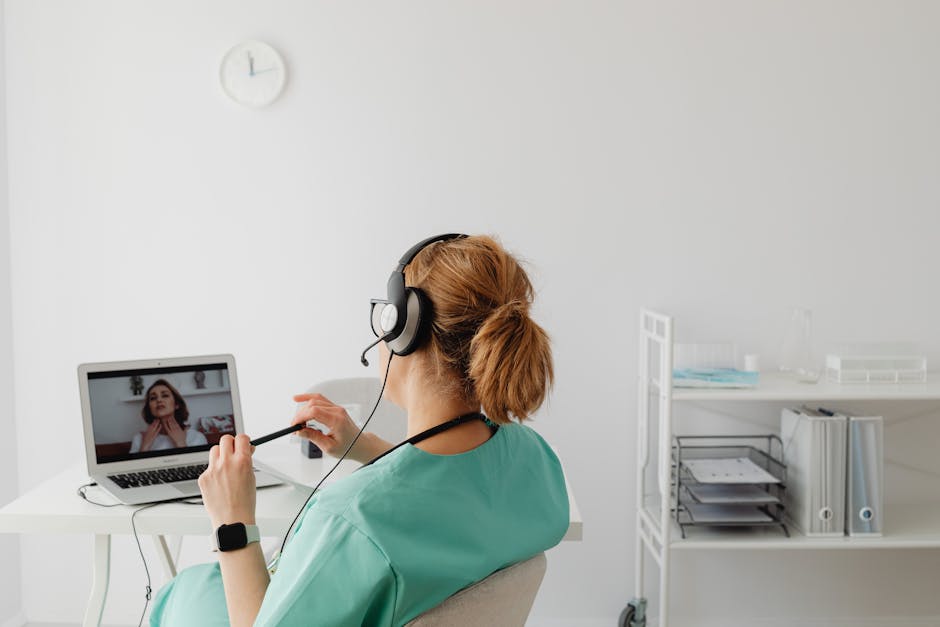
However, when used correctly, virtual specialist appointments can be a lifeline. They allow women to access care during their lunch break or after the kids are in bed—times when traditional physical clinics are closed. The safety comes from the process, not the speed. A good clinic will use an online consultation to assess your history thoroughly before even suggesting a path forward, prioritizing your long-term health over a quick prescription.
How Services Like Releaf and Bookvibe Fit In
It is important to distinguish between "wellness tech" and "clinical services."
Companies like Releaf represent a shift toward specialized care. When discussing services that offer access to cannabis-based medications, for example, the focus must be on clinician oversight and regulation. You aren't just buying a product; you are engaging in a therapeutic pathway that requires monitoring, dosage adjustment, and side-effect reporting. If a company doesn't mandate these check-ins, they aren't practicing medicine—they’re just retail.
On the administrative side, tools like Bookvibe have become essential for patients. In the NHS, we used to struggle with "DNA" (Did Not Attend) rates because appointment letters got lost or weren't clear. Digital scheduling tools have improved patient outcomes by ensuring continuity. When you can easily manage your own appointments, receive reminders, and keep your care organized, you are more likely to stay on track with your treatment plan. That, in itself, is a safety feature.
Comparing Your Options: A Quick Guide
Not all digital services are created equal. Use this table to evaluate any online clinic you are considering.
Feature Safe / Regulated Clinic "Wild West" Red Flag CQC Status Publicly listed, active, and rated. "In the process of registering" or silent. Consultation Style Detailed video or structured clinical history. Instant "one-click" prescription forms. Clinician Oversight Identifiable doctors with GMC numbers. Anonymous "clinical team" with no names. Communication Direct contact options for queries. Only automated emails and chatbots.The Bottom Line: You Are the Expert on Your Body
Are online clinics safer now? Yes. The CQC oversight has made it much harder for fly-by-night operators to thrive, and the tools we have—from online consultations to better management software—have made healthcare more accessible to those who need it most, particularly women struggling with the modern "always-on" lifestyle.
But remember: digital convenience should never come at the cost of clinical rigour. If you feel like a process is too fast, too easy, or too focused on selling you a "cure," trust your gut. You are not just a user of a service; you are a patient. You have the right to ask for a doctor's credentials, the right to demand a copy of your records, and the right to expect that your privacy is treated with the seriousness of an NHS hospital.
Digital health is an evolution, not a destination. Use the technology to save time, but never use it to shortcut your health.