If you have scrolled through your favorite podcast app lately, you have likely noticed a surge in wellness content. From high-production series hosted by renowned physicians to independent shows hosted by charismatic influencers, health advice is more accessible than ever. But just because information is easy to consume doesn’t mean it is safe to act on. As someone who has spent 11 years translating clinical data for the public, I have seen firsthand how easily a well-meaning podcast recommendation can turn into a serious clinical complication.
In this post, we are going to look at the differences between expert-led advice and influencer-led trends, how to verify what you hear, and why your daily supplement routine might be interacting with your prescriptions in ways a podcast host rarely mentions.
The Podcast Paradox: Why We Trust Who We Listen To
Podcasts create what psychologists call a "parasocial relationship." Because you listen to a host in your ear while you commute, exercise, or do chores, your brain begins to process them as a trusted friend rather than a media personality. When that "friend" suggests a specific adaptogen or a "detox" protocol, it feels like personal advice. However, that host is not your primary care provider. They do not know your medical history, your current medication list, or your specific biological vulnerabilities.
The core issue is that podcast health advice often lacks the necessary nuance. While a host might be an expert in their field, they are rarely speaking directly to *you* and your unique biochemistry.
Expert vs. Influencer: Knowing the Difference
Not all podcast hosts are created equal. In the wellness space, it is vital to distinguish between a credentialed expert and a lifestyle influencer.
- The Credentialed Expert: Usually holds a license (MD, DO, PharmD, RD, PhD). They are held accountable by medical boards or professional organizations. They generally rely on peer-reviewed research and will often cite the limitations of a study. The Wellness Influencer: Often relies on anecdotal evidence ("It worked for me!") or cherry-picked studies. They are frequently motivated by affiliate links or sponsorships, meaning there is a financial incentive to keep you consuming products.
When listening to any health podcast, ask yourself: Is this host citing a meta-analysis (a study of many studies), or are they giving a testimonial? If the answer is the latter, proceed with extreme caution.
Understanding Product Interactions: The Invisible Risk
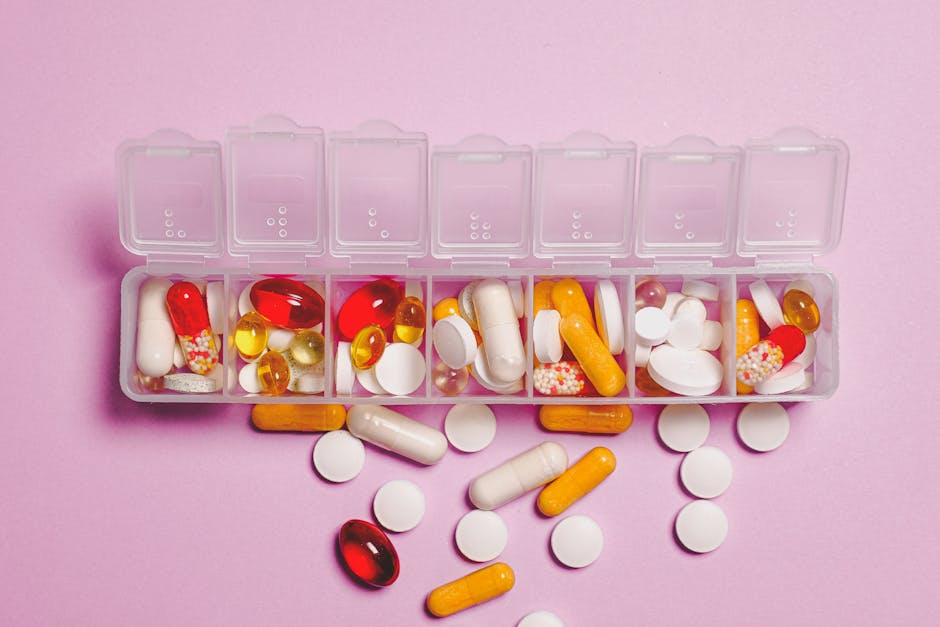
The most dangerous gaps in podcast wellness advice usually involve medication interactions. Many listeners assume that if a supplement is "natural," it is inherently safe to mix with prescription drugs. This is a dangerous misconception. Your body processes substances using specific biological pathways, and these pathways can become "clogged" or over-accelerated by other substances.
To understand why this happens, we have to look at three primary drivers: dose, timing, and metabolism.
The Mechanics of Interaction
Factor How it Works The Risk Dose The amount of a substance circulating in your blood. Taking a "high dose" supplement can overwhelm your liver’s ability to process other meds. Timing When you take a substance relative to your medication. Taking pills together can prevent your gut from absorbing the medication properly. Metabolism How your enzymes (like the Cytochrome P450 system) break down drugs. Some supplements "turn off" or "turn on" these enzymes, making your meds either too weak or toxic.A Case Study: CBD and Your Meds
CBD (cannabidiol) is a perfect example of why podcast advice can be misleading. Many wellness podcasts champion CBD for anxiety, sleep, and inflammation. What they often omit is that CBD is a potent inhibitor of the Cytochrome P450 enzyme system. This system is responsible for breaking down a huge variety of common medications, including blood thinners, anti-seizure meds, and even some blood pressure treatments.
If you listen to an influencer claim that CBD is "totally safe because it’s plant-based" and you add it to your daily routine, you might inadvertently raise https://smoothdecorator.com/what-does-responsible-wellness-culture-look-like-day-to-day/ the levels of your prescription medication in your blood to dangerous levels. Always, always consult a pharmacist before adding anything to a regimen that includes prescription therapy.
How to Verify Podcast Advice: Digital Research Habits
If a podcast inspires you to try a new supplement or health intervention, do not stop there. Use the information as a starting point, not a prescription. Here is my recommended workflow for vetting what you hear:
1. Use Search Engines for Cross-Checking
Do not just search the supplement name. Search "[Supplement Name] + drug interactions" or "[Supplement Name] + contraindications." Stick to high-quality domains. Look for sites ending in .gov (like the National Institutes of Health or PubMed), .edu (university research centers), or .org (reputable health foundations).
2. Utilize Educational Videos Carefully
Platforms like YouTube host excellent educational videos from major hospital systems (like Mayo Clinic or Cleveland Clinic). These are often better than standalone podcasts because they are visual, peer-reviewed by hospital staff, and usually focus on evidence-based medicine rather than "hacks." If you search for a topic, look for videos produced by recognized medical institutions.
3. Use the "Source Comparison" Method
If you hear an incredible claim, find three independent, credible sources that verify it. If you cannot find a second or third source—especially from a peer-reviewed medical journal—it is highly likely that the "advice" is an exaggeration or a marketing claim.
The Pharmacist Checklist: Questions to Take to the Counter
The next time you are at the pharmacy, don't just pick up your prescription and leave. Pharmacists are the most underutilized resource in healthcare. They are experts in medication interactions and are trained to spot exactly the kinds of risks that influencers ignore. Use this checklist:
"I heard on a podcast that [Supplement X] might help with [Condition Y]. Is there any evidence for that?" "Are there any ingredients in this supplement that interact with my current prescription [Name of Med]?" "Does this supplement affect how my liver processes my other medications?" "Is there a specific time of day I should avoid taking my supplements to ensure my medication works as intended?" "If I start this, are there any side effects I should look out for, or labs I should ask my doctor to monitor?"The Bottom Line: Skepticism is a Wellness Tool
I am not saying you should delete your podcast app. Podcasts are a fantastic way to stay curious and learn about new developments in health. However, you must treat health podcasts the same way you treat social media: as entertainment and information, not medical advice.
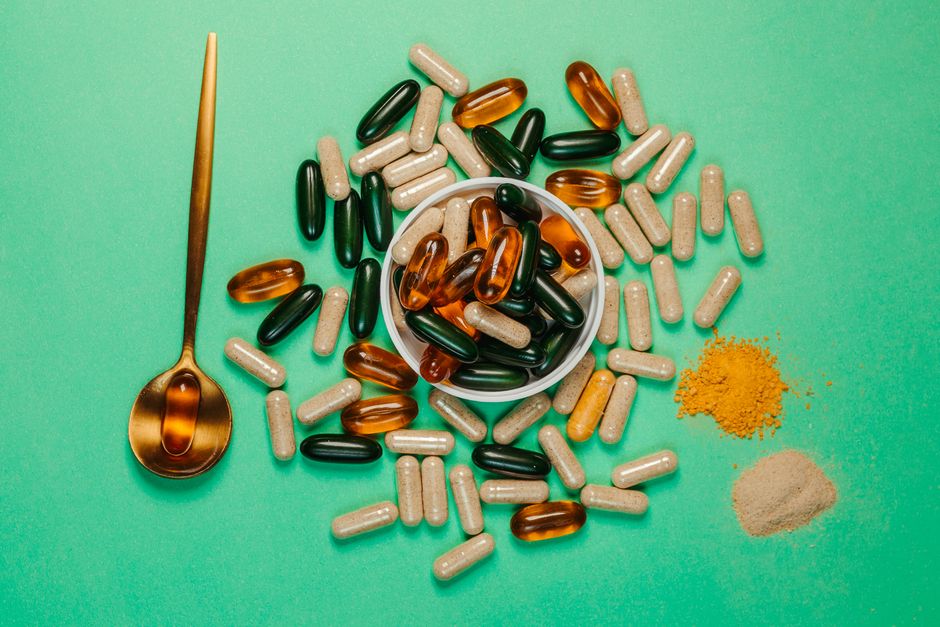
The "detox" industry is a prime example of why nuance matters—it preys on the idea that our bodies are perpetually "toxic" and need a specific (and usually expensive) intervention to function. In reality, your liver and kidneys are performing high-level detoxification every single second of the day. No podcast episode or juice cleanse can improve on that biological efficiency. Instead of looking for "hacks" or "shortcuts," focus on the boring pharmacist advice on stacking supplements but effective basics: sleep, whole foods, hydration, and movement. And if you’re going to add something new to your routine, do the research, talk to your pharmacist, and—above all—listen to your body over an influencer's sales pitch.
Disclaimer: This post is for educational purposes only and does not constitute medical advice, diagnosis, or treatment. Always seek the advice of your physician or other qualified health provider with any questions you may have regarding a medical condition or before starting any new health regimen.