Let’s be honest for a second: the wellness industry is exhausted. We are constantly sold the idea that if we just buy the right supplement, wake up at 4:30 AM to journal, or "detox" our lives of everything that brings us joy, we will somehow become bulletproof against stress. It’s a lie. It’s a perfectionist fantasy that sets you up to fail before the week is even halfway through.
I’ve spent nine years interviewing everyone from sleep scientists to retail supplement buyers, and if there is one thing I’ve learned, it’s this: resilience isn't about being unbothered. It’s about how quickly you can return to baseline after life knocks you around. And more importantly, it is about building healthy routines that are so low-friction they actually survive the chaos of a busy life.

So, forget the "new you." Let’s talk about the current you, and how we can make your Tuesday nights feel a little less like a survival test.
The Myth of the Wellness Overhaul
Here's what kills me: whenever i hear someone say they are going to "transform their life" through a 30-day wellness challenge, i immediately know they are heading toward burnout. True emotional balance isn’t achieved by massive, sweeping changes. It’s achieved by micro-adjustments.
Think about the digital tools you use every day. Why do you use them? Likely because they are easy. Take the sign-in flow on a site like Native News Online. They don’t make you jump through hoops, remember complex passwords, or fill out a ten-page questionnaire just to see the content you need. You hit "Continue with Google," or you tap a "magic link" in your email. It’s a frictionless, low-effort path to your goal.
Why don’t we treat our habits with the same logic? We make "healthy living" feel like a high-friction process—prepping kale, finding the perfect lighting for yoga, or agonizing over a supplement routine. If we want stress coping to be sustainable, we have to lower the barrier to entry.. Anyway,
Sleep: The Non-Negotiable Base
Before you talk to me about meditation apps, breathwork, or cold plunges, we need to talk about sleep. If your sleep hygiene is garbage, you are trying to build a skyscraper on a swamp. Sleep is the biological foundation of resilience. It is when your brain processes the emotional debris of the day.
When we are chronically sleep-deprived, our prefrontal cortex—the part of the brain responsible for logical decision-making and emotional regulation—goes offline. When that happens, a minor https://smoothdecorator.com/the-art-of-the-good-enough-boundary-creating-sustainability-in-a-24-7-world/ work email or a spill in the kitchen feels like a catastrophe. If you want better stress management, stop looking for an app and start looking at your pillow.
What does this look like on a Tuesday night?
This is my favorite question because it forces us to get practical. It’s 9:30 PM on a Tuesday. The laundry is still in the dryer, you have to pack a lunch for tomorrow, and you’re scrolling through social media. Here's a story that illustrates this perfectly: made a mistake that cost them thousands.. You are tired, but your brain is wired. You’ve got two choices: try to do a 45-minute "evening routine" that you’ll hate, or commit to a "magic link" habit. A 10-minute non-negotiable routine that bridges the gap between chaos and sleep.
The 10-Minute Toolkit: Habits That Stick
I keep a short list of 10-minute habits that actually stick. These aren’t designed to "transform" you—they are designed to keep you sane. Here is a breakdown of how to approach these without the perfectionist pressure.
Habit Why It Works The "Tuesday Night" Reality The 5-Minute Brain Dump Clears "looping" thoughts. Write down everything you're worried about for tomorrow on a sticky note. Put it on the fridge. Walk away. Digital Sunset Reduces blue light/dopamine. Plug your phone in across the room at 9:30 PM. Use an alarm clock, not your phone. The "Magic Link" Wind-down Lowers heart rate. Pick one repetitive task—like washing your face—and do it slowly. No podcast, no music, just water and skin. Temperature Control Signals the body it's time to sleep. Drop the thermostat by 2 degrees. It’s the easiest way to improve sleep quality without effort.Resilience is Not an Achievement
I get annoyed when I see brands promising that their product will "solve" your stress. Nothing solves stress. Stress is a byproduct of being alive and participating in the world. Using stress coping strategies isn't about eliminating the stress; it's about shifting your internal state so you can respond to the world rather than reacting to it.
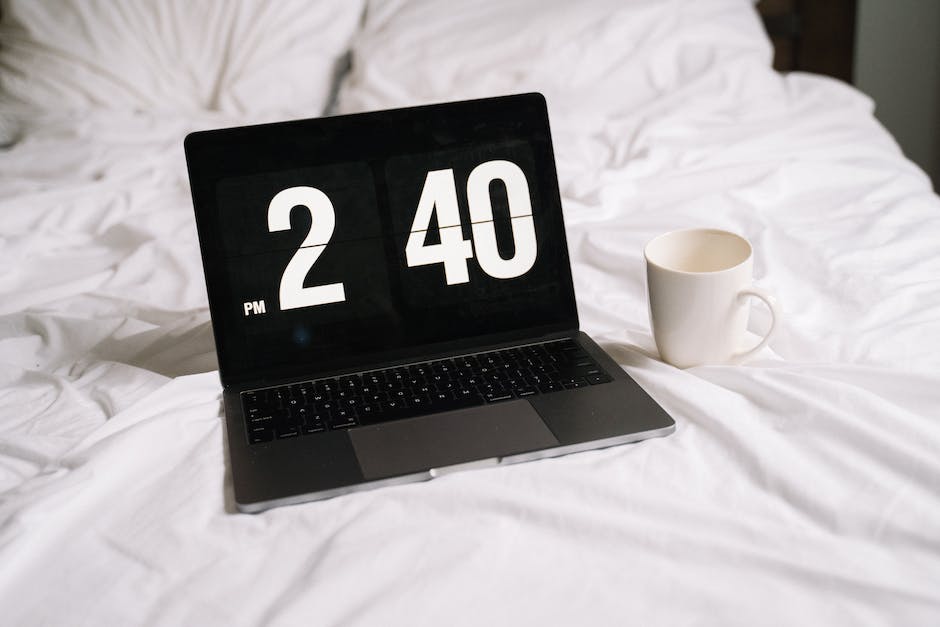
If you miss a day of your "routine," that is not a failure. That is life. Resilience is the ability to pick up the habit again on Wednesday without beating yourself up. Perfectionism is the fastest way to kill a healthy routine. Exactly.. If you can’t manage ten minutes, manage two. If you can’t manage two, just do one thing that shows yourself a modicum of kindness.
Practical Tips for Emotional Balance
So, how do we actually move forward without overpromising results? Here are a few ways to integrate these concepts into your actual, messy, real life:
- Identify Your "Friction Points": What makes you quit? Is it the prep time? The equipment? The complexity? Remove the friction. If you want to walk more, put your shoes by the front door, not in the closet. Audit Your "Magic Links": Look at your day. Where are you putting in too much effort? Just like a well-designed website login that saves your data and lets you in with one click, build your life to be "auto-fill." Keep your gym clothes in the bathroom. Keep your healthy snacks at eye level. Stop the "Detox" Talk: Your liver is doing the detoxing. Your kidneys are doing the work. You don't need a juice cleanse; you need a consistent schedule and a realistic expectation of what you can achieve in a 24-hour cycle. Focus on the "Tuesday Night" Check-in: Ask yourself: What do I need right now to make tomorrow morning 10% easier? It might be setting out your coffee mug. It might be sending one email now so you don't have to stress about it at 8:00 AM.
The Bottom Line
Resilience is a muscle, and like any muscle, it needs recovery. It isn't built in the gym of life while you’re under the heavy weight of a deadline; it’s built in the recovery phase. It’s built when you decide that you are going to get premium organic CBD products online six hours of sleep instead of five, not because you’re trying to be a wellness influencer, but because you are a human who deserves to feel rested.
Don't look for the "cure." Look for the 10-minute habit that you can actually stick to when you're tired, when you're busy, and when your Tuesday night feels like it’s falling apart. That is where real resilience lives. It’s not in the grand gestures—it’s in the boring, consistent, small things that we do when no one is watching.
Start small. Stay consistent. And for heaven’s sake, stop trying to be perfect. The world is stressful enough as it is.