I spent nearly a decade in the entertainment industry—a world where the clock is a suggestion and burnout is the entry fee for doing what you love. During those years, I watched the conversation around medical cannabis evolve from whispers in the back of film sets to a legitimate, regulated clinical pursuit. The stigma that once defined the creative community’s relationship with cannabis is finally fading, replaced by a more mature, data-driven approach to mental health.
However, with this shift comes a frustrating amount of noise. We are seeing a deluge of "wellness" jargon that obfuscates the reality of the medicine. If you are reading this, you are likely looking for a way to manage anxiety without the recreational "noise" that so often clouds the conversation. Let’s be clear from the jump: this is prescribed, not a lifestyle accessory. Whether you are considering flower or oil, you are participating in a clinical pathway, not picking out a new accessory for your bedside table.
The Shift: From Counterculture to Clinic
For a long time, the creative class operated on an "if it works, keep doing it" logic, which is a dangerous way to treat anxiety. Today, we have the benefit of specialist clinics in the UK that handle medical cannabis with the same seriousness as a cardiology consultation. If your anxiety is impacting your ability to work, create, or function, the goal isn't "getting high"—it is finding a baseline of emotional regulation that allows you to participate in your own life.
When you consult with a specialist, such as those found at Releaf (releaf.co.uk)—the UK’s largest medical cannabis clinic—you aren't just getting a product. You are getting a treatment plan. That plan is built on your physiology, your medical history, and your specific goals. If you aren't talking to https://bizzmarkblog.com/talking-about-medical-cannabis-at-work-navigating-the-new-normal-without-the-lifestyle-label/ a clinician about your dosages, you are essentially flying blind.
Understanding the Format: Flower vs Oils
The core of your decision often comes down to the pharmacokinetics—a fancy way of saying "how fast and for how long does this enter your system?" For those managing anxiety, understanding the difference in onset and duration is vital to building a sustainable routine.
Oils: The Long Game
Oils are https://highstylife.com/why-do-people-keep-saying-medical-cannabis-is-more-patient-centred-now/ typically taken orally or sublingually. Because the cannabinoids must pass through your digestive system or be absorbed through the mucosal lining, the onset is slower—often taking 60 to 90 minutes to take effect. However, the duration of the relief is significantly longer, often lasting several hours. For someone with generalized anxiety that hums in the background of a 12-hour work day, oils are often the foundation of a treatment plan.
Flower: The Precision Tool
Flower, when used with vaporization devices, offers a much faster onset. Relief is often felt within minutes. This makes flower a powerful tool for breakthrough anxiety or acute stressors. But—and this is a critical distinction—the effect is shorter-lived.
Note: If you are looking for more technical information on the specific cannabinoids (CBD vs THC), I highly recommend referencing Healthline for their comprehensive breakdowns of these compounds and their distinct roles in the endocannabinoid system.
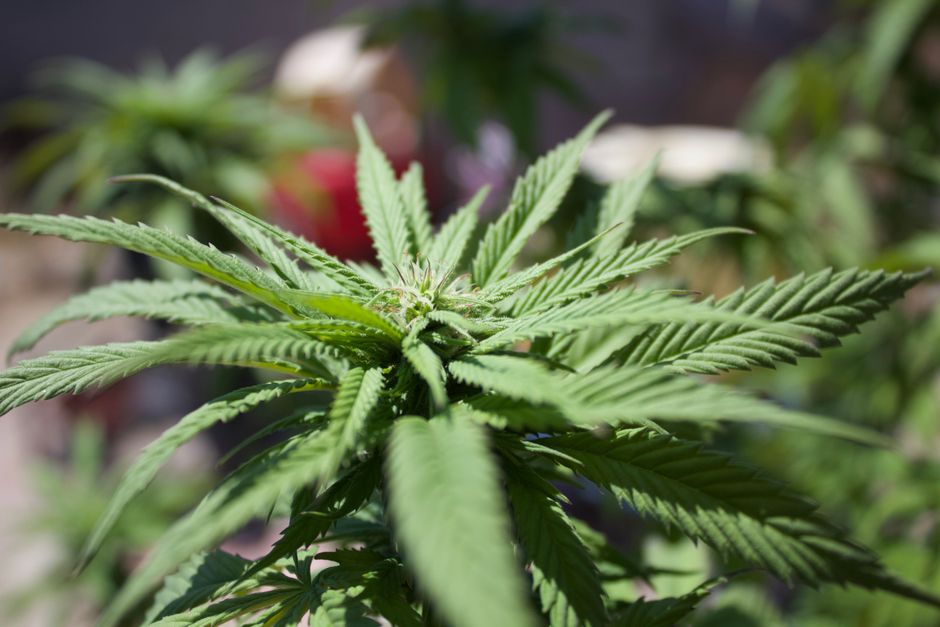
Comparison Table: Defining Your Treatment Choice
Feature Oils (Oral) Flower (Vaporized) Onset Slow (60–90 mins) Fast (5–10 mins) Duration Long (6–8 hours) Short (2–4 hours) Precision High (dose by drops/ml) Medium (dose by inhalation) Best Use Maintenance/Baseline Acute/BreakthroughA Note on "Vaping": Separating Fact from Marketing Fluff
As a wellbeing editor, I keep a running list of words that signal marketing fluff, and "vaping" is the biggest offender. When we talk about medical cannabis, we are not talking about those disposable nicotine devices you see discarded on every street corner. We are talking about medical-grade vaporization devices—precision instruments that heat the flower to a specific temperature, releasing the therapeutic compounds without the combustion (smoke) associated with traditional, non-medical usage.
Combustion is antithetical to medicine. If you are burning your medicine, you are inhaling carcinogens and destroying the very terpenes that provide the anti-anxiety effects you’re seeking. A proper medical vaporizer is a non-negotiable tool for any patient using flower.
Building Your Routine: Why Timing Matters
Creatives live on odd schedules. Your "morning" might start at 2:00 PM, or your "work day" might run until 4:00 AM. Your medication routine needs to respect your circadian rhythm, not try to override it.
When you start with a clinic, you will begin with "titration." This means starting with a very low dose and slowly increasing it until you reach your therapeutic window. For anxiety, this is essential. Too much THC can paradoxically increase anxiety, so the "more is better" mindset is the enemy of effective treatment.
Morning Maintenance: Many patients find that a consistent dose of an oil in the morning provides a "floor" for their anxiety throughout the day. Breakthrough Management: If you have a high-stress meeting or a deadline-induced panic, a measured inhalation from a vaporizer can provide immediate relief. Evening Wind-down: Depending on the strain profile, some find that specific flower strains help signal to the body that the work day is finished, aiding in the transition to sleep.The Reality Check: Why You Need a Clinician
I have seen far too many people try to self-dose, taking cues from internet forums or, worse, "lifestyle" influencers who treat a medical prescription like a new skincare trend. Please, stop. Your anxiety is unique to your biology, your metabolic rate, and your life stressors.
When you go through a clinic like Releaf, you are gaining access to a multidisciplinary team. They track your progress, adjust your dosages based on your feedback, and ensure that your prescription is actually addressing your symptoms rather than masking them. They monitor for contraindications with other medications and ensure you are using your hardware correctly. Self-dosing is how you end up with a high tolerance and a diminished therapeutic effect, or worse, an adverse reaction.
Final Thoughts for the Modern Patient
The goal of medical cannabis is to provide you with the stability to function, create, and exist without the crushing weight of anxiety. It is not about altering your personality or becoming someone else; it is about reclaiming the version of yourself that is capable, focused, and calm.
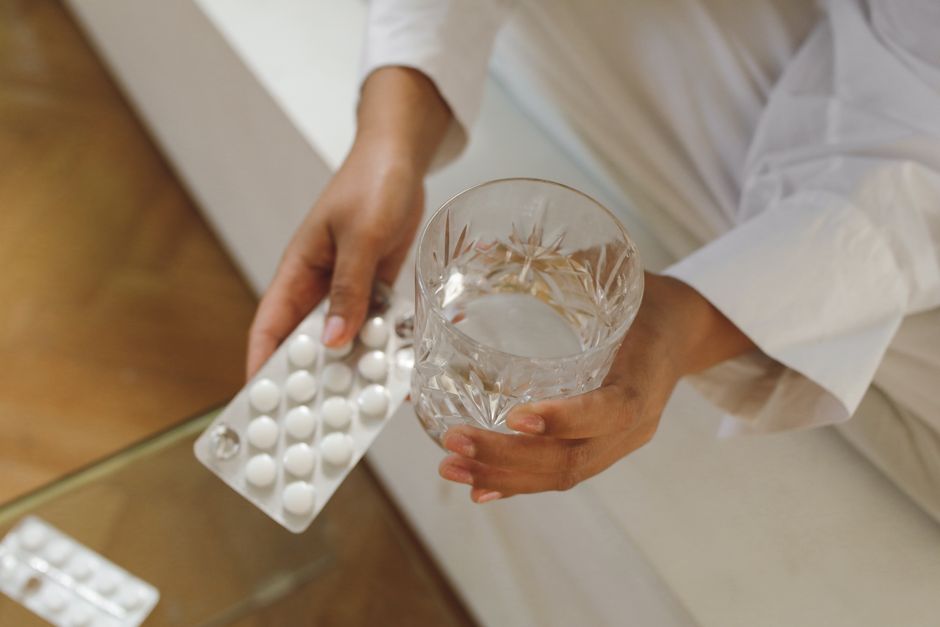
If you are exploring these options, reach out to a specialist clinic. Do your research, but treat that research as a precursor to a professional conversation, not a replacement for one. Keep track of your dosage, monitor your response, and stay objective. This is a journey toward better health, and it deserves the same rigor you would apply to any other medical condition.
Treat it with the respect that a prescription requires, and you will find that the medicine does its job much more effectively than any "lifestyle" hack ever could.