If you have scrolled through your social media feed lately, you’ve likely encountered a wellness claim that sounds almost too good to be true. Maybe it’s a new "bio-hacking" powder that claims to "supercharge" your focus, a specialized water that "optimizes cellular hydration," or a sleep supplement that promises to "reset your nervous system."
The wellness market has exploded far beyond the simple vitamin aisle of the late 90s. Today, it permeates our home decor, our light bulbs, our kitchen appliances, and our digital subscriptions. But as the market grows, so does the fog of information overload. We are living in an era where conflicting claims are the norm, and it’s becoming increasingly difficult to distinguish between legitimate scientific advancement and clever, science-adjacent marketing.
As someone who has spent nine years tracking the intersection of health, nutrition, and fitness, I’ve developed a "healthy skepticism" filter. My rule of thumb is simple: What would this look like in a clinic visit? If you walked into your primary care provider's office and placed this bottle—or this claim—on the table, would they be able to find a peer-reviewed study to support the dosage? Or would they ask, "Where is the safety data for long-term use?"
The Anatomy of Misleading Advertising
Before we dive into how to verify a claim, we must identify the language that signals a red flag. Marketing teams are experts at using "science-y" sounding words to bypass your critical thinking. They rely on the fact that most consumers don't have the time to cross-reference their assertions with clinical evidence.
I keep a running list of terms that immediately trigger a deeper investigation on my end. If you see these on a label or in a promotional post, treat them as indicators that you need to find the data yourself:
- "Detox" or "Cleanse": Our livers and kidneys do this 24/7. Unless a product is prescribed for a medical condition, this is almost always a marketing placeholder. "Superfood": There is no legal or medical definition for this. It’s a marketing term designed to imply nutritional superiority without providing quantitative data. "Boosts" or "Optimizes": These are vague verbs. If a product "boosts" immunity or "optimizes" metabolism, ask: by how much, under what conditions, and compared to what? "Ancient Wisdom" or "All-Natural": Being "ancient" or "natural" does not equal safe or effective. Arsenic is natural; it is not recommended for your morning smoothie.
The Gold Standard: Moving Beyond Anecdotes
The biggest issue with the modern wellness boom is the reliance on n=1 evidence—the "it worked for me" story. While online communities (like Reddit threads or specialized Discord groups) can be excellent for sourcing logistical information, they are not repositories for clinical evidence.
The "Influencer" Trap
Many wellness influencers present their personal routines with a level of certainty that implies universal medical consensus. They skip over the nuance of dosage, safety warnings, and contraindications. When you see a claim on social media, ask yourself: Does this person stand to gain financially if I buy this product?
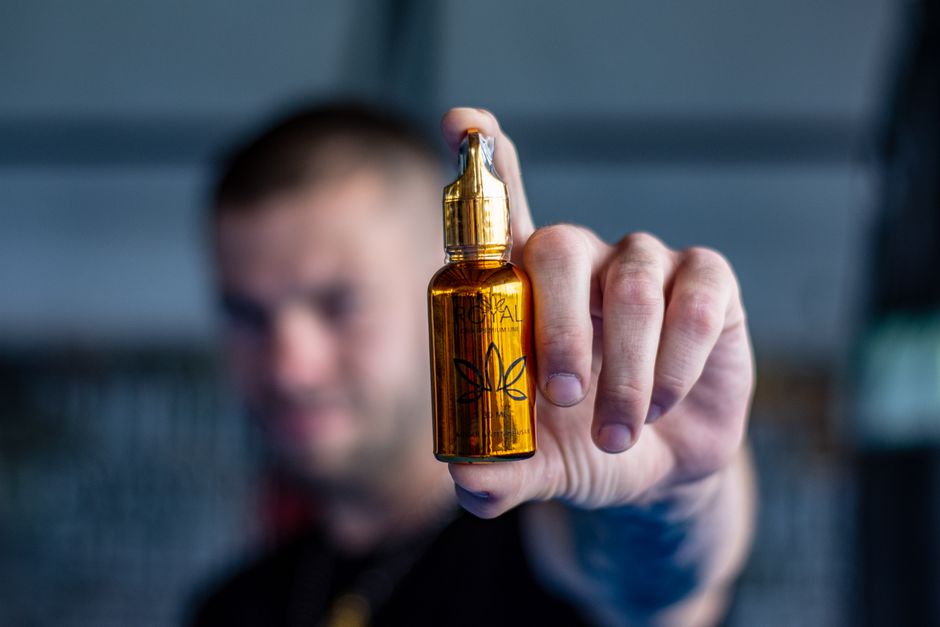
The Clinic Visit Filter
When evaluating a claim, try to simulate a conversation with a doctor. A doctor wouldn't say, "Take this supplement because a TikToker said it balances hormones." They would ask:
What is the active molecule? What is the effective dosage shown in clinical trials? Does this interact with any other medications or conditions I have? What does the longitudinal data (long-term safety) look like?How to Conduct Your Own "Label Audit"
Ingredient literacy is the most powerful tool you have. The wellness industry often hides behind "proprietary blends"—a tactic that allows companies to list ingredients without disclosing the exact amount of each one. If you see a label with a proprietary blend, you have no way of knowing if the active ingredient is present in a dose that actually matches the research you found on PubMed.
Tools for Your Search
If you want to know if a product is research-backed, stop searching on Google and start searching in academic databases. Here are the three steps I use:
Tool Purpose What to look for PubMed / Google Scholar Accessing primary literature. Look for "Systematic Reviews" or "Meta-Analyses" rather than single, small-scale animal studies. Examine.com Evaluating supplement efficacy. They break down ingredients based on evidence strength, avoiding the "miracle-claim" language. Third-Party Certification Sites Verification of purity. NSF International or USP (United States Pharmacopeia) seals ensure that what is on the label is actually in the bottle.Transparency: The Demand for Testing
If a brand is not willing to show you their Certificate of Analysis (COA) for a specific batch, you should be wary. Transparency is the antidote to misleading advertising. High-quality supplement and wellness companies are increasingly moving toward "radical transparency," providing QR codes on their packaging that lead directly to third-party testing results for heavy metals, microbial content, and ingredient potency.
Questions to Ask a Brand
If you are unsure about a product, email their customer service department. If they are a legitimate, research-backed company, they will be able to answer the following questions quickly:
- "Can you provide the peer-reviewed study that supports the dosage used in this product?" "Is your product third-party tested for purity and potency?" "Have you conducted any clinical trials on the finished product, or are you just relying on existing research about the individual ingredients?"
Navigating Online Communities Safely
Online communities—whether on Twitter, Reddit, or specialized forums—are double-edged swords. On one hand, they can provide a wealth of anecdotal data on how a product feels (e.g., "This gave me an upset stomach"). On the other, they can become echo chambers for pseudoscience.
To use these forums safely, focus on the negative results. If everyone is singing the praises of a product, be skeptical—social proof is not scientific proof. Look for the users who provide a "Why." Why did it not work for them? Did they check their blood work before and after? Did they verify the dosage? Use these communities as a way to CBD oil vs hemp seed oil gather anecdotal feedback, not to build your health protocol.
Conclusion: The Responsibility of the Consumer
The wellness industry has moved into a space where the consumer is expected to be their own researcher, advocate, and gatekeeper. It is an unfair burden, but it is our current reality. By moving away from "miracle-claim" language and toward clinical evidence, we can filter out the noise.

Remember: If a health claim seems how to spot wellness scams revolutionary, it should be supported by equally significant, peer-reviewed, and repeatable data. If the science is truly "backed by research," the brand will be proud to show you the evidence. If they aren't, keep your wallet closed and your curiosity open.
Before you commit to a new wellness habit, ask yourself: "Would I be comfortable telling my doctor I am taking this?" If the answer is no, you have your primary piece of data.