If you have been following the Click here for more news on medical cannabis in the UK, you might feel like you’re reading two different stories. On one hand, you hear that it’s been legal since 2018. On the other, you hear about patients struggling to access care. As someone who spent nearly a decade in NHS administration, I’ve seen how healthcare gaps form. But here is the reality: the biggest barrier to patient care in the UK isn't the law—it’s the geography and the complexity of the specialist network. That is exactly where telehealth has stepped in to rewrite best vaporiser for medical cannabis the rules.
In this article, we’ll look at how digital healthcare infrastructure and remote-first clinics have fundamentally changed the landscape for patients, and why this is a distinctively British journey that bears little resemblance to the more commercialized models found in the US.
The Legal Landscape: Demystifying 2018
When the law changed in November 2018, it allowed specialist doctors to prescribe cannabis-based medicinal products (CBMPs) for specific conditions. Let’s be very clear here: this was not a legalization for everyone. It was a controlled expansion of medical authority. . That said, there are exceptions
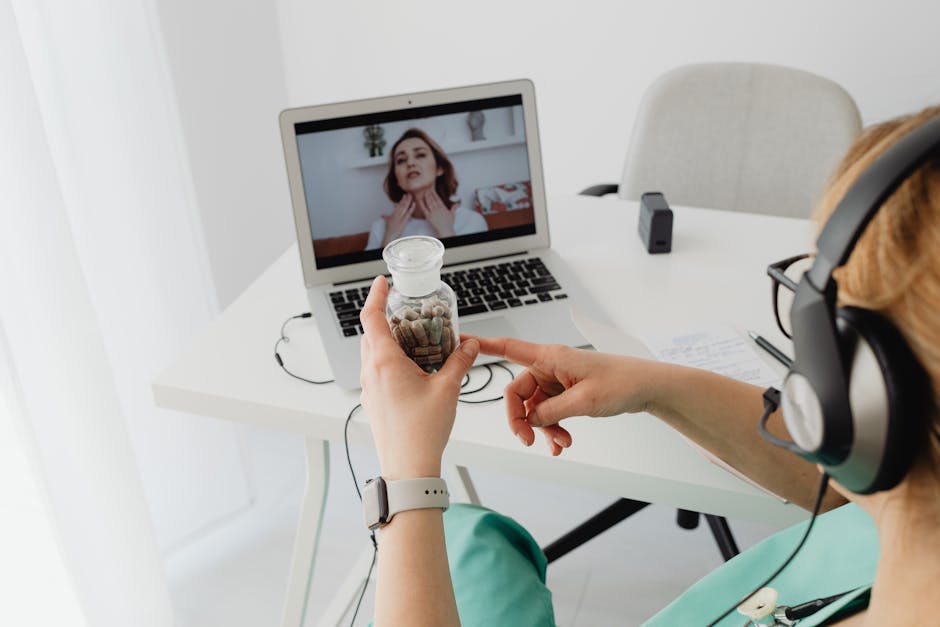
A common point of confusion I see on patient forums involves mixing up over-the-counter CBD (the stuff you find in health stores) with prescribed CBMPs. They are not the same. Prescribed CBMPs are pharmaceutical-grade, strictly regulated, and follow rigorous NICE (National Institute for Health and Care Excellence) guidelines. If a clinic tells you their product "works for everyone," run. Clinical efficacy is highly individual, and that’s why the specialist model exists.
How Telehealth Solves the "Specialist Gap"
Before the rise of telehealth, if you were a patient in Cornwall or the Highlands, accessing a specialist who could legally prescribe medical cannabis was an ordeal. You were often limited by the travel time to a physical clinic in London or a major city. This created a postcode lottery where only those with time, money, and transport could get the help they needed.
Enter remote-first clinic systems. These platforms have effectively democratized access by decoupling the patient from the physical location of the clinic. By utilizing online eligibility forms, clinics can now triage patients efficiently, ensuring that only those who meet the strict legal criteria are matched with the right specialist consultant.
The "What Happens Next" Factor
Ever notice how once you submit your online eligibility form, you aren't just sent into a void. The clinic's administrative team reviews your medical history, which—crucially—must be obtained from your GP. What happens next: A clinical coordinator will reach out to confirm your suitability for a specialist consultation. If accepted, you are booked into a video consultation where you discuss your symptoms, previous treatments, and goals directly with a consultant.
Private Clinics vs. The NHS: Managing Expectations
One of the things I hear most from patients is: "Why can’t I get this on the NHS?" It’s a fair question. While the NHS *can* legally prescribe CBMPs, in practice, the pathways are extremely narrow due to the evidence-based requirements set by NICE. Most patients currently access their medication through private clinics.
Feature NHS Pathway Private Telehealth Pathway Accessibility Extremely restricted Broad (for eligible conditions) Waiting Times Often very long Generally short (1-2 weeks) Specialist Access Limited to specific roles Dedicated cannabis specialists Cost Funded by NHS Self-funded by patientThis is where industry voices like Brad Hook or teams like Synonyms Hack emphasize the importance of transparency. When patients understand that they are paying for a premium service that bypasses the limitations of the current NHS capacity, the patient-provider relationship becomes much more focused on results rather than frustration.

The Importance of Personalised Product Formats
Telehealth hasn't just improved access; it has improved *treatment precision*. Because patients are meeting specialists who have the time to discuss their lifestyle, they aren't just getting a generic "prescription." They are getting access to a range of delivery methods, such as oils, flowers for vaporization, and capsules.
This allows for a personalized treatment plan that respects the patient's daily life. A specialist might suggest a daytime oil that is lower in THC for focus, or a specific profile for evening pain management. This level of nuance is rarely possible in a standard, five-minute GP appointment.
My "List of Confusing Phrases": Clearing the Fog
As a former administrator, I know that healthcare jargon is a major barrier to engagement. I keep a running list of terms that tend to trip patients up. Here is how we can translate them into plain English:
- Confusing phrase: "Initiating titration." Simple version: "Gradually increasing your dose to find what works best for you with the fewest side effects." Confusing phrase: "Pharmacological intervention." Simple version: "Starting your prescribed medication." Confusing phrase: "Clinical pathway optimization." Simple version: "Making sure your appointments and medication deliveries happen on time."
What happens next: Once you have your treatment plan, you will receive your prescription directly to a registered pharmacy, which then ships the medication discreetly to your door via a secure courier.
Regulation and Clinical Monitoring: The Safety Net
It is important to remember that telehealth is not a "Wild West." These clinics are regulated by the Care Quality Commission (CQC) in England, or the equivalent bodies in the devolved nations. This is the difference between a legitimate UK clinic and the unchecked markets in other parts of the world.
The monitoring process is strict. Patients have follow-up appointments—usually every month initially—to assess how the medication is affecting their condition. If a medicine isn't working, the specialist adjusts the plan. If you experience side effects, they are managed immediately. What happens next: During these follow-ups, your consultant will update your records, and any adjustments to your prescription are sent through the electronic system to your pharmacy again.
Final Thoughts: A Digital Future
Telehealth has fundamentally changed the UK medical cannabis sector by turning a fragmented, inaccessible system into a streamlined digital experience. While we still have a long way to go before access is truly equitable across all socioeconomic groups, the shift to remote-first infrastructure has saved thousands of patients from unnecessary suffering.
If you are exploring this route, remember: prioritize clinics that are transparent, CQC-registered, and focused on patient-centered care. Don't fall for "one-size-fits-all" promises. Your health journey is unique, and in the digital age, you have the right to demand a system that treats it that way.
What happens next: If you believe you are eligible, take the time to gather your summary of care from your GP surgery. Having this ready will make your initial screening process significantly faster and ensure your specialist has the full picture from day one.