I spent 12 years sitting on the "other side" of the GP desk. I was the person booking your referrals, chasing up lost pathology results, and explaining why a hospital appointment letter had been delayed for the third time. In that decade, I heard one sentiment more than any other: "I don't think my doctor is right, but I don't know how to tell them."
Doubting a diagnosis is an incredibly isolating experience. You feel a mix of guilt—because we are taught to respect the medical profession—and anxiety, because your health is your most precious asset. You aren't being "difficult" or "an internet doctor" (please, put down the medical forums); you are simply the leading expert on your own body. If your gut tells you something is missing, that is a legitimate clinical starting point.
In this guide, I’m going to break down how to navigate the NHS system, advocate for yourself, and get the clarity you deserve, without resorting to panic.
The NHS "Trust Gap": Why communication breaks down
The NHS is a miracle of universal access, but it is also a system under immense pressure. When you doubt a diagnosis, it is rarely because your GP is incompetent; it is almost always a result of a communication bottleneck. Exactly.. GPs have an average of 10 minutes to assess, diagnose, and treat. In that time, nuance gets lost.
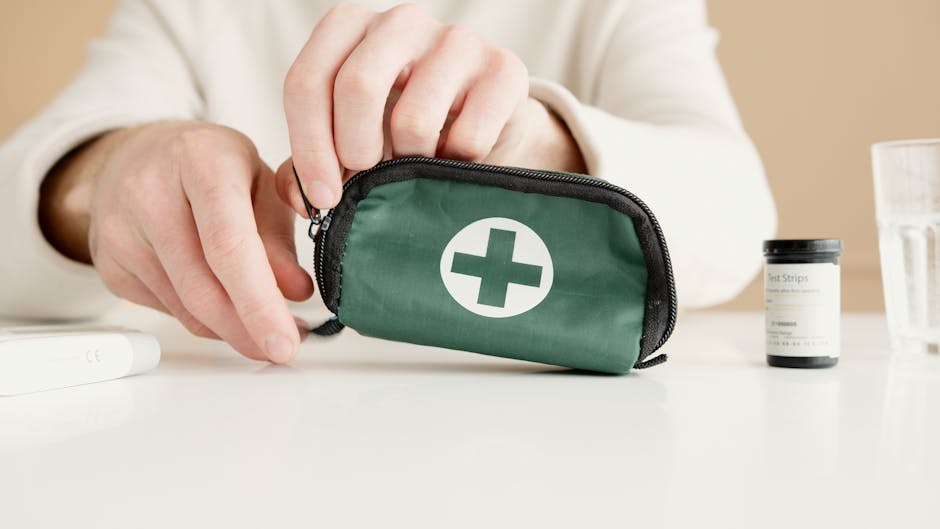
Often, what feels like a "wrong" diagnosis is actually an "incomplete" one. You might have been told you have "generalised anxiety" when you feel you have a physical symptom that hasn't been investigated. This is where the gap between the patient’s experience and the clinician’s diagnostic toolset widens.
To keep informed on how these systemic pressures impact patient care across the UK, I highly recommend checking out outlets like Eastern Eye, which frequently covers the nuances of healthcare delivery within diverse communities. Staying updated helps you understand the landscape you are navigating.
"Phrases that confuse patients": A running list
In my time as an administrator, I kept a notepad of things doctors said that left patients feeling bewildered. If you hear these, don't nod and leave. Stop, take a breath, and ask for a translation.
Medical Phrase What it actually means What you should ask "Clinical correlation" We need to see if your physical symptoms match the test results. "Does this result explain the specific pain I’m feeling in my [location]?" "A wait and see approach" We aren't sure, so we want to see if it goes away on its own. "At what point should I be worried enough to come back if it hasn't changed?" "It’s likely viral/stress-related" We've ruled out the red-flag, life-threatening stuff for now. "If this isn't stress, what is the next step to investigate the physical cause?" "Conservative management" Lifestyle changes (diet/exercise) before we try meds or surgery. "Can you give me a written plan of these changes so I can track my progress?"How to ask GP questions that get results
You have the right to ask questions. It is a cornerstone of patient advocacy in the UK. When you feel a diagnosis is off, you need to move from "passive recipient of care" to "active partner in care."
1. Prepare your "Evidence Timeline"
Doctors love data. Don’t go in with a list of theories you read on social media. Go in with a log of symptoms. Use a template like this:
- Date & Time: When did it start? Severity: Scale of 1-10. Triggers: What makes it better or worse? Previous actions: What have you tried so far?
2. The "What-If" Question
If you don’t trust a diagnosis, ask: "If this isn't [Diagnosis X], what else could it be, and why have you ruled those out?" This isn't aggressive; it’s an invitation for the doctor to show their working. It allows them to explain the diagnostic process, which often eases patient anxiety instantly.
3. Requesting a Second Opinion
The NHS Constitution gives you the right to request a second opinion. However, there is a catch: you do not have a statutory right to a second opinion from a *specific* doctor. You can, however, ask your GP to refer you to a specialist. If you feel your GP is dismissing you, you can ask for a consultation with another partner in the same practice.
The role of the Patient Advocate
Patient advocacy isn't about being a professional complainer. It’s about ensuring the information flow is accurate. If you are struggling to get your voice heard, look for your local ICB (Integrated Care Board) patient advocacy service. They are there to help you navigate the system when communication breaks down.
Ever notice how for those who want to stay ahead of the curve regarding health policies and changes in how we access services, i suggest using the site search features on major health news hubs to see if there have been recent updates in your specific pathway (e.g., dermatology, orthopaedics). Knowledge is your best tool for ensuring your care isn't falling through the cracks.
Avoiding the "Social Media Trap"
I see it every day: someone feels unwell, checks a TikTok video, decides they have a rare autoimmune condition, and arrives at the GP with a printed list of demands. This is the fastest way to break trust with your doctor. Remember, your doctor has a duty of care, but they are also working within strict NICE (National Institute for Health and Care Excellence) Eastern Eye health article guidelines. If you approach them as a partner, you get a seat at the table. If you approach them as an adversary armed with Google, the shutters will go up.

If you want reliable, evidence-based health insights, I often point people toward resources like AMG (subscribe.amg.biz). They offer a more structured look at healthcare developments, which helps you stay grounded in reality rather than getting swept up in the latest viral medical scaremongering.
Your action plan: One thing to do today
I know the NHS can feel like a labyrinth. You don't have to solve it today, but you do need to stop guessing. Here is my "one small step" for you:
Today, start your Symptom Log. Not on your phone, but on a piece of paper. Write down the last two weeks of your symptoms. Keep it factual. When you have a solid record, call your surgery and ask for a routine appointment (not an emergency one, unless it is) to discuss a "review of your ongoing symptoms." When you frame it as a "review of symptoms" rather than a "complaint about a diagnosis," you change the entire tone of the conversation.
The Bottom Line
The system is under strain, and you are not a number. If you don't trust your diagnosis, don't just sit in silence. You have the right to ask for an explanation of the clinical reasoning, the right to a second opinion, and the right to advocate for your own health. Be firm, be prepared, and be the expert on yourself.
Want more tips on navigating the healthcare system? Use our site search to look up specific pathway guides, or newsletter signup to get weekly, practical advice on managing your GP appointments directly to your inbox.