I’ve spent the better part of a decade sitting in green rooms, production trailers, and agency boardrooms across London. For years, if cannabis was mentioned, it was a hushed, sideways conversation—usually coded in slang, often tied to the "rebellious" creative archetype that seems to be a prerequisite for working in UK media. But in the last three years, something fundamental has shifted. That whisper has been replaced by the click of a titration log and a serious discussion about clinician-led treatment plans.
The transition from "counterculture curiosity" to "legitimate medical intervention" isn't just a PR shift; it’s a structural one. In the UK, the move toward cannabis healthcare is finally shedding the skin of stoner stereotypes and stepping into the sterile, albeit necessary, light of evidence-based medicine.
The Stigma Shift in Creative Communities
Creative industries—film, music, and design—have historically been the most prone to romanticizing substance use. We love a mythic narrative. However, when you’re dealing with the brutal, non-stop churn of a 14-hour shoot or the burnout inherent in freelance creative work, "lifestyle" choices don't cut it. You need functional health outcomes.
The stigma is fading because the conversation has moved from "what can I get" to "what is my clinician prescribing." Professionals are tired of self-medicating with unregulated sources that offer zero consistency. They want the safety of the UK specialist clinic model. It’s no longer about a "vibe"; it’s about managing symptoms like treatment-resistant anxiety, chronic pain, or neurodivergence in a way that allows them to remain employed and functional.
Note to the reader: If you see someone using the word "wellness-journey" or "revolutionary" when discussing a scheduled substance, run. These are red flags for marketing fluff designed to sell you a feeling rather than a pharmaceutical outcome.
Medical Cannabis as Healthcare: Understanding the Infrastructure
The UK healthcare landscape for cannabis is governed by strict regulations, and that’s a good thing. Organizations like Releaf (releaf.co.uk), which has established itself as the UK’s largest medical cannabis clinic, operate within a framework that requires patient-first scrutiny. This is not about walking into a shop and picking a product off a shelf; it is about a clinical consultation, a review of medical history, and a bespoke treatment plan.
When you consult a specialist clinic in the UK, you aren't talking to a "budtender." You are talking to a clinician who monitors your progress. This is healthcare. It involves reporting side effects, titrating doses, and tracking outcomes. It is, by definition, a clinical pathway.
This is prescribed, not a lifestyle accessory. Do not make the mistake of treating your medication like a designer handbag or themovieblog.com a trend you saw on social media. It is a tool for symptom management, and it should be treated with the same respect as any other prescription medication.
The CBD vs. THC Divide
One of the biggest hurdles in public perception is the fundamental misunderstanding of what these substances actually do. For a deep dive into the pharmacology, Healthline provides a reliable baseline for understanding the difference between CBD (cannabidiol) and THC (tetrahydrocannabinol). In a medical context, these aren't just "relaxants"; they are cannabinoids that interact with the human endocannabinoid system in specific, measurable ways.
Patients often come in thinking they want "high THC," but a clinician might prescribe a high-CBD, low-THC ratio to manage inflammation without the impairment that would interfere with a professional’s work schedule. Understanding the chemistry is the first step in moving away from the "counterculture" label.
Cannabinoid Profiles at a Glance
Cannabinoid Primary Medical Focus Common Perception CBD (Cannabidiol) Anti-inflammatory, anxiolytic, neuroprotective. Non-intoxicating, "wellness" focused. THC (Tetrahydrocannabinol) Analgesic, appetite stimulant, sleep aid. Often stigmatized as the "high" factor.Flower Format and the Realities of Vaporization
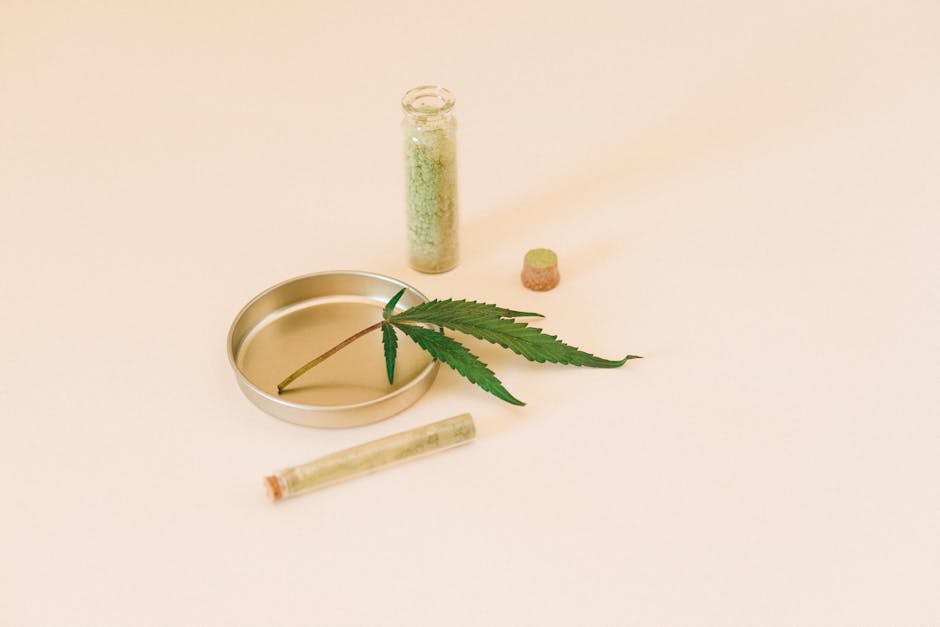
This is where we need to get very precise. In medical settings, "flower" (the raw plant material) is a common form of administration. However, it is not "smoked." In the UK medical cannabis community, it is legally and clinically required to use a vaporization device.
I need to be very clear here: Do not confuse medical vaporization with recreational disposable vapes.
Recreational vapes are nicotine-delivery systems or flavored propylene glycol concoctions that have absolutely nothing to do with medical cannabis. A medical vaporizer is a precision-engineered heating device that heats the flower to a specific temperature, releasing active cannabinoids without the combustion of the plant matter. This allows for controlled, consistent dosing—the hallmark of proper medical administration.
Timing and Routines: Why Creatives Need Structure
Creatives live on fragmented schedules. When you are writing a script at 3:00 AM or editing a film until sunrise, your circadian rhythm is already under extreme stress. Medical cannabis is often prescribed to help manage the "comedown" from high-stress work periods or to stabilize sleep cycles.
A typical patient routine in the UK medical cannabis space looks something like this:
Morning (Low dose/CBD dominant): Focused on managing systemic inflammation or baseline anxiety to facilitate a calm start to the workday. Afternoon (Micro-dose if needed): A small, controlled dose via a vaporizer, carefully logged, to maintain therapeutic levels without cognitive impairment. Evening (Indica-dominant profile): A higher-dose session aimed at sedation and recovery, timed precisely 90 minutes before the desired sleep window.This isn't "getting high." This is managing a complex health condition while working a demanding, non-traditional schedule. If you are self-dosing without consulting your clinician, you are undermining the entire purpose of your medical intervention. If your dose isn't working, you don't just "take more." You contact your clinic and discuss a review of your treatment plan.
The Reality-Check: Where We Stand
Are we there yet? Not quite. The UK still has a significant segment of the population that associates the mention of cannabis with late-night counterculture tropes. However, as more professionals—doctors, lawyers, producers, and educators—begin to access legal, clinic-based medicine, the narrative is forced to change.
Medical cannabis is a controlled, regulated, and patient-centric healthcare service. It requires discipline, constant communication with clinicians, and a commitment to clinical safety. If you are exploring this route, leave the stoner stereotypes at the door. They are outdated, they are inaccurate, and quite frankly, they are dangerous to the validity of the patient experience.
Treat your treatment with the same seriousness you’d bring to your craft. After all, if you’re a professional creative, you know that the best results come from preparation, precision, and adherence to the process. Why should your healthcare be any different?
Summary Checklist for Patients
- Consult, don't guess: Always operate under the guidance of a specialist clinic. Ditch the disposables: Medical vaporization is a precision tool, not a lifestyle habit. Track your data: Keep a record of your doses and how you feel. Your clinician needs this data to provide effective care. Understand your profile: Know your CBD/THC ratio and why it was prescribed for your specific symptoms.