For over a decade, I’ve spent my working life in the engine rooms of healthcare—helping NHS trusts and private providers migrate from physical paper folders to digital patient portals. I’ve seen the rollout of virtual consultations, the integration of electronic prescribing, and the often-frustrating attempts to merge legacy systems with modern patient expectations.
Patients today are spoiled by the seamlessness of banking apps, the instant gratification of streaming services, and the "one-click" experience of e-commerce. It is only natural that we expect the same from our healthcare. We want to book a virtual consultation on our lunch break, message a clinician about a side effect without waiting on hold, and review our test results in real-time. But as we trade in our paper charts for encrypted login screens, one question remains: is messaging your clinician through a portal actually secure?
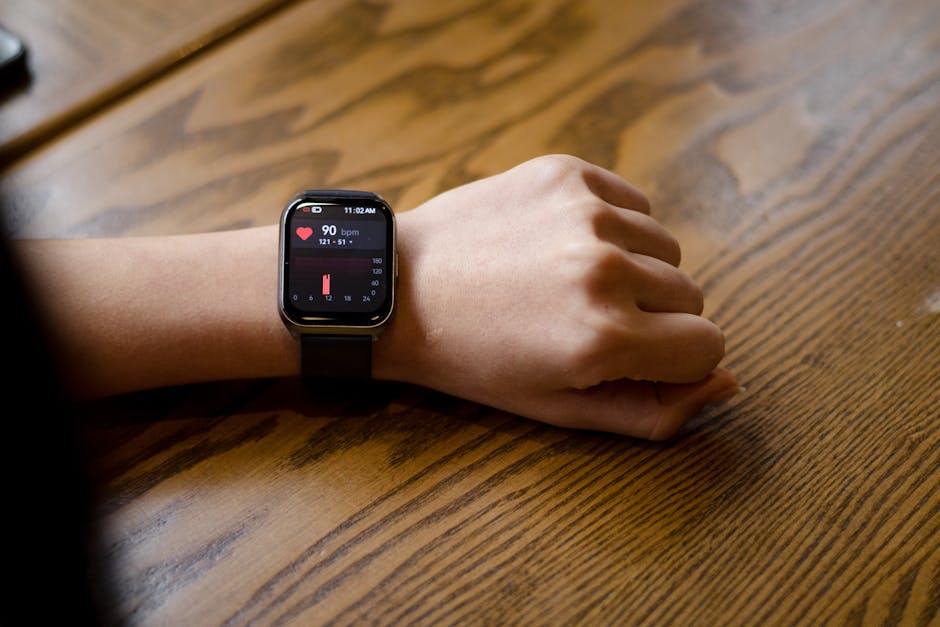
The Evolution from Paper to Pixels
Ten years ago, "patient communication" meant a phone call to a secretary, a letter sent via Royal Mail, or a handwritten note in a manila folder that lived in a filing cabinet. Today, digital clinics have largely stripped away the friction. We no longer need to take half a day off work to sit in a drafty waiting room for a five-minute review.
However, this shift has brought a new set of risks. When we talk about secure patient messaging, we aren't just talking about a password. We are talking about an entire ecosystem of data privacy, clinician oversight, and regulatory compliance. As an implementation lead, my job was always to ensure the technology didn't just work, but that it protected the patient. The Click here for more problem? Not every platform takes that responsibility as seriously as they take their marketing budget.
Understanding Patient Portal Security: The Baseline
When you use a patient portal, you are essentially opening a digital doorway into your most sensitive information. For that to be secure, several layers of technical architecture must be in place. If a provider cannot clearly explain these, walk away.
- Encryption at Rest and in Transit: Your data should be scrambled while it’s stored on their servers (at rest) and while it’s traveling from your phone to their clinic (in transit). Multi-Factor Authentication (MFA): If the portal only requires a password, it is not sufficiently secure. MFA should be the standard for any service handling health data. Audit Trails: A secure system logs exactly who accessed your file and when. If a clinician reads your message, there should be a timestamped record.
The biggest threat to health data privacy isn't usually hackers in hoodies—it’s human error and poorly designed workflows. For example, I often see portals that ask you to re-enter your date of birth, address, and medical history every single time you log in. This is not "extra security"; this is a sign of a fragmented system that doesn't actually store your data in a secure, centralized electronic health record (EHR).
The "Hidden" Reality: Marketing vs. Oversight
One of my biggest professional pet peeves is the "marketing-first" clinic. You know the ones: the website is beautiful, the landing page promises "fast approvals" (a major red flag, as medicine should be thorough, not fast), but you can't find a single link to their CQC registration or the names of the clinicians overseeing the service.
Many digital clinics hide their clinician oversight behind layers of marketing copy. They highlight "AI-driven diagnostics" (which, in my experience, often means a simple triage flowchart) but make it impossible to identify which actual human doctor is responsible for your care. If you are messaging a portal, you have the right to know exactly who is reading that message and what their professional credentials are.
The Missing Price Tag: A Red Flag
I frequently review platforms that promise a "transparent, patient-centered experience," yet their websites are completely devoid of pricing information. This is a common mistake in the healthtech space, and virtual consultations it is a disservice to the patient.

When you cannot find pricing, you cannot comparison-shop. If a portal requires you to go through an entire sign-up process—handing over your personal details—just to find out the cost of a consultation, they are leveraging "sunk cost" psychology. They are betting that once you’ve done the work to register, you’ll be too invested to back out when you see the final price. True transparency is listing your prices upfront. If they hide the cost of a virtual consultation, they are likely hiding other things, too.
Comparison Checklist: Before You Book
Before I ever recommend a platform to a patient or a clinic, I run through this shortlist. You should do the same.
Question Why It Matters Is their CQC/Regulatory registration visible? Ensures they are legally accountable to UK health standards. Are the clinicians named and verified? You need to know who is responsible for your medical decisions. Is the pricing clear before registration? Avoids "bait and switch" tactics and hidden fees. Do they offer one-screen prescription/message flows? Jargon-filled, multi-page forms lead to errors and frustration. Is there a clear timeline for responses? Vague promises of "fast" service aren't clinical standards.The Truth About "Fast Approvals" and AI
I am perpetually annoyed by the industry obsession with "fast approvals." In healthcare, "fast" is rarely synonymous with "safe." When a platform boasts about how quickly they can process your request, they are usually optimizing for throughput rather than clinical quality.
Similarly, be wary of platforms that over-promise on AI features. AI can be useful for administrative scheduling, but it cannot replace the nuanced judgment of a clinician. When a portal tries to sell you on "AI-led consultations," keep your guard up. Your health history is a narrative, not just a set of data points, and no algorithm can truly replicate the clinical intuition required to flag a subtle symptom that doesn't fit the expected pattern.
Patient Portal Security: What You Can Do
You have agency in this relationship. Digital health is a partnership, and you are the most important stakeholder. If you are choosing to use a portal for secure patient messaging, follow these steps to protect yourself:
Verify the Clinician: Go to the regulator’s website (like the GMC register in the UK) and check the name of the doctor listed on the platform. Check the Privacy Policy: Look for clear statements on how they store data and whether they share it with third-party advertisers. Use Unique Credentials: Never reuse the password you use for your email or social media for a health portal. Use a dedicated password manager. Audit Your Access: If the portal allows it, periodically check your "access log" to see when your records were viewed. Ask for Alternatives: If a system feels clunky or unsafe, ask the provider if there is an alternative way to message them or send documents.Conclusion: Demand Better
The digitization of healthcare should make our lives better, not just faster or more profitable for the clinic owners. Messaging your clinician through a portal *can* be secure, and it *should* be convenient. But it requires a platform that prioritizes patient safety over high-conversion landing pages.
Don't be afraid to be the "annoying" patient. Ask where your data is stored. Ask why the price isn't listed. Ask who the clinician is behind the screen. After 11 years in this industry, I can tell you that the providers who are truly doing it right will be happy to answer those questions. The ones who get defensive? They aren't the ones you want managing your health.
We are moving toward a future where our health information travels with us, but it is up to us to ensure that the road it travels on is secure, transparent, and built for the patient, not just the developer.