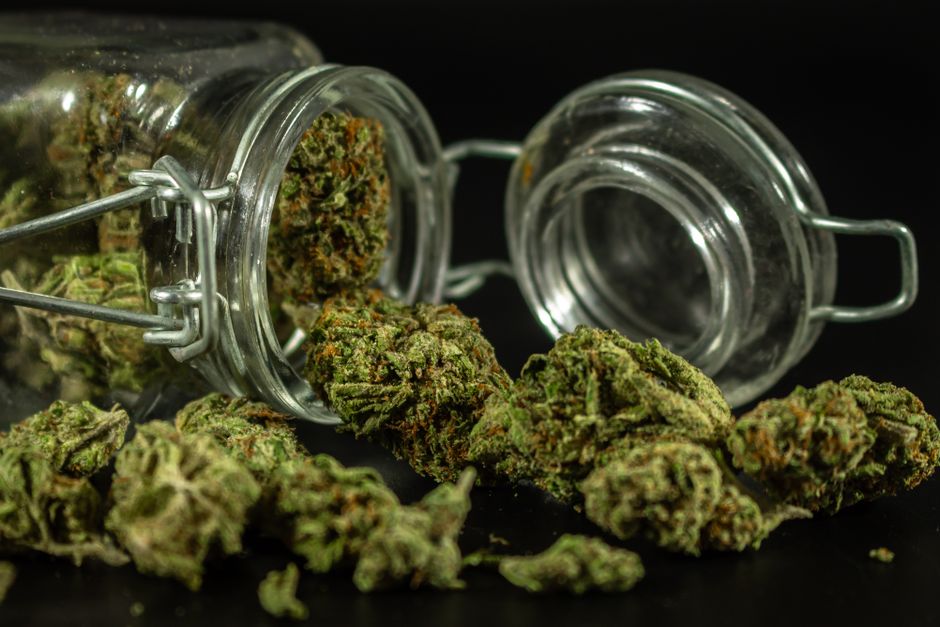
If you have spent months or years struggling to fall or stay asleep, you know that the journey toward relief is rarely straightforward. In the UK, when you approach a healthcare provider about sleep issues, there is a very specific, well-trodden path that they will ask you to walk before considering alternative options like medical cannabis.
When you speak to a specialist clinic about medical cannabis, they will almost always ask for your history regarding "previous treatments." This is not just a bureaucratic hoop to jump through. It is a clinical safety requirement. To understand why this matters, we first need to look at what the standard sleep pathway actually looks like in a UK clinical setting.
The Spectrum of Sleep Disorders
It is important to remember that "sleep disorder" is an umbrella term. While insomnia is the most commonly discussed, there are many others. We aren't just talking about difficulty drifting off.
- Insomnia: Chronic difficulty falling or staying asleep despite having the opportunity to do so. Circadian Rhythm Disorders: Misalignment between your internal body clock and the external world, often seen in shift workers or those with delayed sleep phase syndrome. Restless Legs Syndrome (RLS): A sensory-motor disorder that creates an irresistible urge to move the legs, particularly at night. Parasomnias: Abnormal movements or behaviors during sleep, such as sleepwalking or night terrors.
Regardless of the type, the impact on your life remains the same. Poor sleep is not just about feeling tired; it affects your immune system, your cognitive function, your mental health, and your emotional regulation. So, when medical professionals try to address these issues, they are trying to fix a foundation that has become deeply unstable.
The Standard UK Pathway: A Step-by-Step Breakdown
In the UK, the NHS operates under clinical guidelines (often influenced by NICE - The National Institute for Health and Care Excellence) that prioritize non-pharmacological interventions first. This is a logical process. It aims to address the root cause of the sleep disturbance rather than just masking the symptoms.
Here is what the standard progression typically looks like:
Assessment: You discuss your sleep pattern with a GP, who rules out underlying physical causes like thyroid issues or obstructive sleep apnea. Sleep Hygiene: You are encouraged to optimize your environment and habits. CBT-I: If hygiene isn't enough, you are guided through Cognitive Behavioural Therapy for insomnia. Short-term Medication: If the above fails, your GP might consider a short course of hypnotics or other regulated medications.If you have sleep hygiene tried, CBT-I attempted, and short-term meds utilized without success, you have met the clinical threshold for "treatment-resistant" or "chronic" sleep issues. This is often when specialists consider shifting the treatment plan.
1. Sleep Hygiene Tried
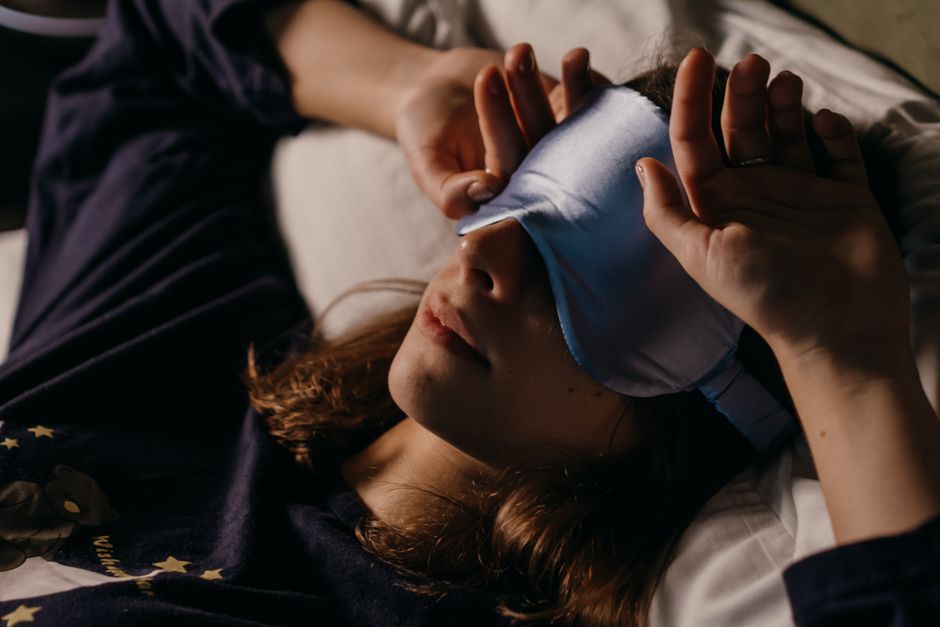
Sleep hygiene is the bedrock of sleep medicine. It involves creating an environment and a routine that signals to your brain that it is time to shut down. This usually includes regulating your light exposure, cutting off caffeine by midday, and maintaining a strictly consistent wake-up time. That said, for someone with a chronic neurological or physiological sleep disorder, simply changing the temperature of the room or stopping screen use is often insufficient.
2. CBT-I Attempted
Cognitive Behavioural Therapy for Insomnia (CBT-I) is considered the "gold https://smoothdecorator.com/medical-cannabis-for-sleep-disorders-what-questions-should-you-ask-a-clinic/ standard" for treating chronic insomnia. It involves a structured, multi-week program where a therapist helps you identify and challenge the thought patterns that cause anxiety about sleep. It also involves "stimulus control," which teaches your brain to associate the bed only with sleep, not with tossing and turning. It is highly effective for many, but it requires significant mental energy and persistence. If you have been through a full course and still haven't found relief, it is a significant clinical indicator that your condition requires a different approach.
3. Short-term Meds
Often, GPs will offer "short-term meds" to help break a cycle of sleeplessness. These might include Z-drugs (like zopiclone) or sedating antihistamines. The term "short-term" is vital here; these medications carry risks of dependency and tolerance, which is why they are rarely prescribed for long-term use. If you have cycled through these and found them ineffective—or if you have experienced side effects that outweigh the benefits—this is a key part of your clinical history.
Comparison of Treatment Pathways
Treatment Stage Objective Clinical Expectation Sleep Hygiene Establish routine and environment Foundation for all patients CBT-I Address psychological/behavioral blocks First-line therapy for chronic insomnia Short-term Meds Crisis management/Symptom relief Temporary bridge, not a permanent solution Specialist/Alternative Manage refractory/complex symptoms For patients where the above has failedWhen do people look beyond conventional options?
So, why do people start looking for medical cannabis? Usually, it is because they have reached a wall. They have completed the NHS pathways, and they are still suffering from the daytime impacts of sleep deprivation. They might feel that their life is narrowing down to a constant, exhausting focus on getting to sleep.
That said, it is crucial to understand that medical cannabis is not a "miracle cure." It is a regulated, prescription-based treatment. It is not "the same for everyone," and it requires a specialist to determine if it is appropriate for your specific physiology. In the UK, medical cannabis is a "third-line" treatment. This means it is only considered after standard treatments have been tried and failed.
When you have a consultation, the specialist is effectively looking for evidence that you have given the standard system a fair try. They are not doing this to be difficult; they are doing this because they need to be sure that they are using the right tool for the right patient.
What does "Failed" treatment actually mean?
People often worry that if their treatment didn't work perfectly, it's their fault. This is not the case. When a clinician says a treatment has "failed," they simply mean that the clinical goals—such as falling asleep within 30 minutes, or staying asleep for 7 hours—were not met despite the patient following the protocol.
If you have had sleep hygiene tried, CBT-I attempted, and short-term meds used, you have a documented history. This documentation is your roadmap. It tells the specialist what you have already processed, which allows them to make a more informed, safer decision regarding whether or not to prescribe medical cannabis.
Preparing for the conversation
If you are considering moving to a specialist clinic, preparation is everything. Start by gathering your notes. You want to be able to clearly explain the following to a clinician:
- What specific sleep hygiene techniques did you implement, and for how long? Who provided your CBT-I, and what were the outcomes? Which short-term medications did you try, what dosages were used, and what side effects (if any) did you experience?
Be honest about these points. There is no benefit to overstating or understating your history. The specialist needs a clear picture of what has happened so they can assess if your condition is truly refractory to standard care.
The Reality of Medical Cannabis
It is important to manage expectations. Medical cannabis, when prescribed by a specialist, is tailored to the individual. It is not about simply "using cannabis"; it is about using specific strains or formulations that have been tested and verified for a specific medical purpose. It is a controlled, clinical process.
If you are looking for an "instant fix," you will be disappointed. Medical cannabis requires titration—a process where you start with a very low dose and gradually increase it under medical supervision to find the "sweet spot" where your symptoms are managed with the fewest possible side effects. It is a slow, methodical, and safe process.
Final Thoughts
Living with a sleep disorder is exhausting. The frustration of trying standard treatments and finding they don't work is a very real experience. So, astrodud medical cannabis sleep understand that the emphasis on "previous treatments" is a sign that the healthcare system is trying to maintain safety standards.
By documenting your experiences with sleep hygiene, CBT-I, and short-term medications, you are providing the necessary context for a specialist to determine if medical cannabis is the right next step for you. It is a transition from standard care to personalized, specialist care. Take your time, be thorough in your history, and always ensure you are speaking with a registered, reputable clinical provider.
Disclaimer: I am a writer, not a doctor. This content is for educational purposes only and does not constitute medical advice. Please consult with your GP or a qualified medical specialist regarding your personal health history and any potential treatments.