After twelve years spent behind the front desk of an orthopedic clinic—the place where the intake forms stack up and the “miracle cure” marketing claims hit reality—I’ve developed a very specific internal alarm system. When I hear terms like “regenerative wellness” or “rejuvenation injections” being thrown around without a single mention of a medical history review, my blood pressure spikes.

We are currently living in a golden age of medical marketing where stem cell therapy is often sold like a spa treatment: low effort, high reward, and guaranteed results. But let me be clear as someone who has processed the paperwork: stem cell therapy is a medical procedure, not a vacation from your chronic pain. If you are exploring this for tissue repair support, the burden of proof is on the clinic, not on your optimism.
If you are walking into a consultation, here is your roadmap for cutting through the jargon and getting the facts you need to stay safe.
1. It’s a Medical Procedure, Not a Spa Service
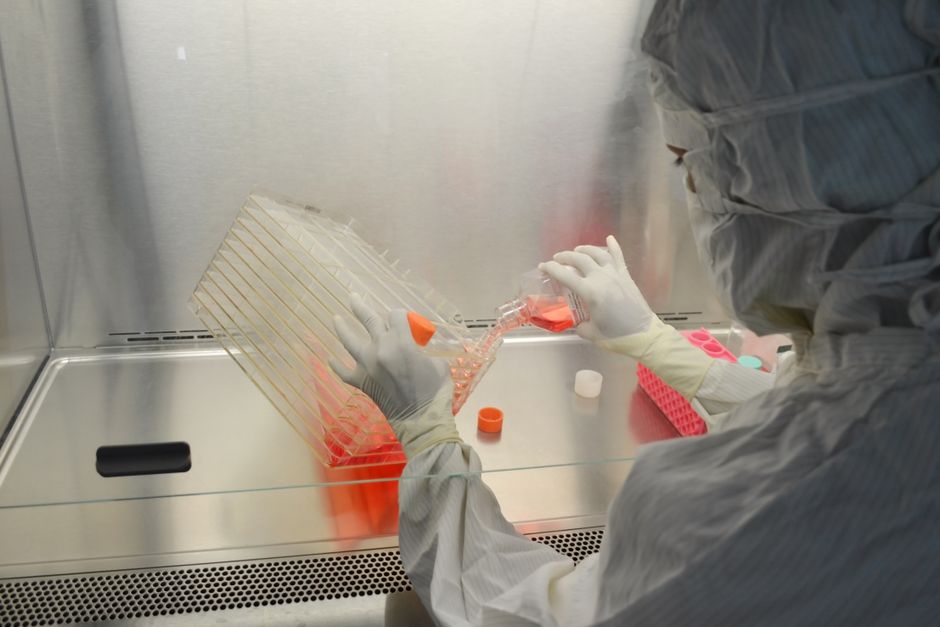
If the person explaining the procedure to you is wearing a polo shirt with a company logo instead of clinical scrubs, run. If the environment looks like a boutique hotel lobby rather than a sterile clinical space, ask why. Stem cell therapy involves harvesting, processing, and injecting biological material. This is an invasive process that carries real medical risks, including infection, tissue damage, and immune reactions.
A legitimate provider will treat this like a surgical intervention. They will discuss the sterile field, the use of ultrasound or fluoroscopic guidance for placement, and the reality of post-procedure recovery. If they are talking about "energy flows" or "optimizing your youth" rather than biological markers and physical healing, they aren't practicing medicine—they’re practicing marketing.
2. The "Who" Matters: Investigating Provider Qualifications
Vague answers are my biggest pet peeve. If a clinic says, "We have a highly trained team of specialists," I want names. I want credentials.
Questions to ask about the person holding the needle:
- Who is performing the injection? Is it an MD, a DO, or a physician assistant? What is their residency training in? What is their specific experience with this procedure? How many hundreds of these have they performed? Who is handling the cell processing? If they are using a lab, who are they? Are they FDA-compliant?
You have every right to know exactly who is performing the procedure. If the "specialist" is a chiropractor or a nurse practitioner who hasn't been specifically trained in orthopedic ultrasound-guided injections, you are not getting the level of care that tissue repair support requires.
3. Patient Screening: Why "Everyone is a Candidate" is a Red Flag
In my clinic days, we turned people away constantly. Why? Because medical history matters. If a clinic tells you that you are a candidate before they have reviewed your X-rays, your MRI, or your systemic health markers, they are selling you a product, not a solution.
A proper provider will examine your medical history to rule out:
- Active or history of malignancy (cancer), as stem cells can potentially fuel tumor growth. Systemic infections. Poor baseline health that would hinder your body’s ability to "signal" the cells to do their work. Structural issues that no amount of cells can fix (like a complete ligament tear that requires physical reconstruction).
4. The Importance of the Follow-Up Plan
Here is the reality that clinics don't put on their glossy brochures: The procedure is the start, not the end. I always ask: "Who answers the phone at 8:00 PM when I have a question about my recovery?"
Tissue repair support requires a long-game strategy. If a clinic takes your money and sends you out the door without a structured physical therapy plan or a follow-up schedule at the 3-month, 6-month, and 1-year marks, they don't care about your outcome. They care about the transaction.
When interviewing a clinic, look for this document. If they don't have a written post-procedure protocol, it means they are winging it.
Your Essential "Check-In" Checklist:
Initial Follow-up: Is there a check-in within 48-72 hours to monitor for signs of infection? Rehab Protocol: Are they working in tandem with your physical therapist? (They should be.) Data Tracking: Does the clinic track your pain scores and range of motion over time to see if the treatment actually worked?5. Managing Expectations: No Miracles, Just Medicine
If I hear the word "miracle" one more time regenerative medicine vs traditional treatments in a medical setting, I might retire early. Stem cell therapy is an evolving field. We have seen exciting results for specific types of arthritis and tendon issues, but we have also seen cases where it did absolutely nothing. A good provider will be the first person to tell you, "This might not work for you."
They should be transparent about the limitations of the technology. They should explain that cells need a healthy environment to survive—which means your nutrition, your activity levels, and your overall systemic inflammation levels all contribute to the outcome.
My Personal "Notes App" List: Questions to Ask at Any Clinic
Before you commit to anything, open your phone and ask these questions. If they get uncomfortable, you know you’re in the wrong place.
- "Can you show me the clinical data you rely on for this specific diagnosis?" "What are the specific risks of infection or localized tissue necrosis for this procedure?" "If this doesn't provide the intended support, what is the next step in our clinical management plan?" "Can you provide a clear, written breakdown of what is included in the cost, and what is excluded?"
Remember, your body is not a repair shop that you can just drop off for a quick fix. You are the driver of your own recovery. By demanding transparency, questioning qualifications, and insisting on a rigorous follow-up plan, you protect yourself from the predatory marketing that plagues this industry. Stick to the science, keep your standards high, and never trust a "miracle."