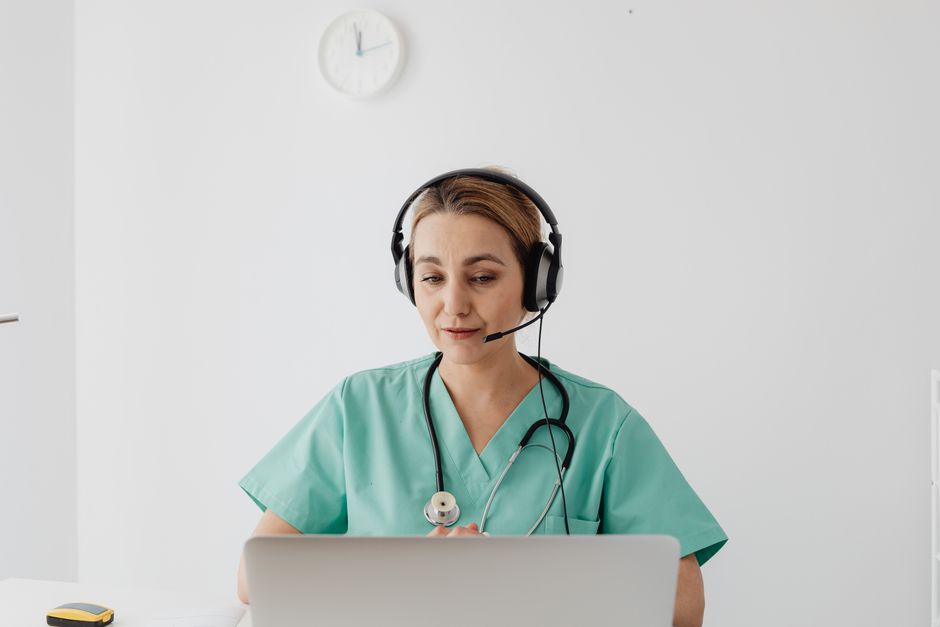
After nine years in the trenches of NHS admin—managing the endless churn of paper referrals, chasing missed appointment codes, and listening to patients vent about portal login loops—I developed a "cynic’s radar" for health tech. When I hear companies promise "revolutionary" solutions for sleep disorders, my first thought isn't "wow." My first thought is: "Okay, but what happens when the video call drops, and how does that digital prescription actually reach the patient's local pharmacy on a Sunday night?"
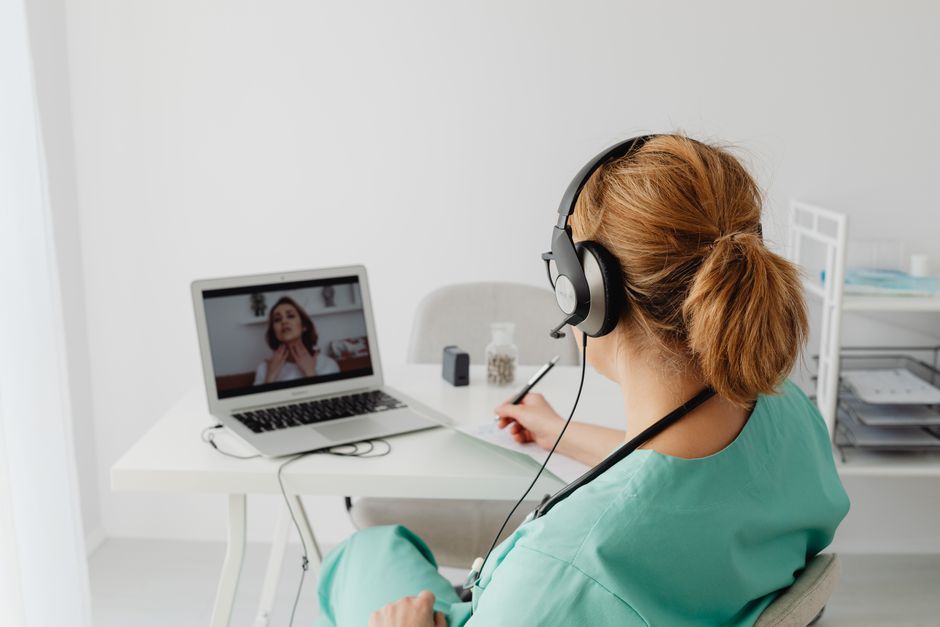
The rise of the online sleep clinic has been explosive. Sleep is arguably the perfect candidate for telehealth—it is often a data-driven condition that requires long-term management rather than a physical examination of a wound. But as someone who has spent nearly a decade watching patient portals fail at the simplest tasks, I want to strip away the marketing fluff and look at what sleep disorder telehealth actually delivers.
The Promise: Faster Access and Flexible Scheduling
The biggest hurdle in traditional sleep medicine isn't usually the diagnosis; it’s the logistics. In a standard healthcare setting, you wait three months for a primary care appointment, another two months for a referral to a sleep specialist, and then another four weeks for a formal consultation. By the time you're in the room, you’re so exhausted that the "consultation" is mostly you trying to stay awake.
Virtual care models aim to flatten this curve. By utilizing virtual consultation sleep platforms, clinics can bypass the "waiting room bottleneck." The benefit here is obvious: you can schedule a session at 7:00 PM or on a Saturday, times when traditional clinics are locked up tight.
The Reality Check: The Triage Trap
While scheduling is easier, many platforms gloss over the "triage" phase. If you have complex comorbidities—like obstructive sleep apnea paired with heart issues—you aren't just an "insomnia patient." You are a high-acuity patient. A truly efficient online sleep clinic should have a rigorous, automated triage flow that flags these patients for in-person assessment immediately. If the marketing says "book in five minutes," ask yourself: Did they ask me about my medical history, or just my credit card number?
Geography Barriers and Remote Specialist Access
For patients living in "sleep medicine deserts"—rural areas or small towns without specialized sleep laboratories—telehealth is genuinely transformative. It essentially democratizes access to specialists who might otherwise be sequestered in major academic medical centers.
When you engage with a sleep disorder telehealth provider, you are essentially buying time with an expert who can interpret sleep study data, adjust CPAP settings, or discuss Cognitive Behavioral Therapy for Insomnia (CBT-I) protocols. The physical distance between you and the specialist becomes irrelevant, provided the software is stable.
The Mobile-First Expectation: UX Matters More Than You Think
Here is where I get pedantic: If it isn't easy on a phone, it isn't "digital health."
I’ve seen too many platforms that require you to download a clunky desktop app just to log in, or that force you to re-enter your date of birth three times during a single session. When you are suffering from chronic sleep deprivation, you don't have the mental bandwidth for poor User Experience (UX).
- Responsive Design: Can you toggle your sleep logs on a smartphone screen without squinting? The "Login Loop": Does the app remember your credentials, or are you forced to reset your password every time you want to see your doctor? Connectivity: Does the video platform automatically downgrade quality if the signal is weak, or does it just freeze and drop the call?
If the online sleep clinic expects you to "manage your data" but provides a mobile interface that looks like a spreadsheet from 1998, they are setting you up for failure. Efficiency is meaningless if the UX causes friction.
The Workflow: Digital Prescriptions and "What Happens After?"
This is my favorite question in all of health tech: What happens after the call ends?
In a brick-and-mortar clinic, you get a piece of paper. In a digital clinic, the "digital prescription" is the goalpost. But the hand-off is where the breakdown usually occurs.
The Ideal Workflow:
The consultation ends. The provider issues an electronic prescription (e-script). The system verifies the patient’s chosen pharmacy automatically. An automated notification (text or email) confirms the pharmacy has received the order.The Reality (The "Friction List"):
- The provider forgets to click "transmit." The e-script goes to the wrong pharmacy because the portal didn't sync your location. You are left holding a phone, calling your GP, trying to explain that "the online doctor" prescribed you something, but no one can find the record.
When you sign up for a sleep telehealth service, look for the transparency in their workflow. Does the portal provide a clear, real-time status tracker for your medication? If it’s just a "sent" status that never updates, you’re back to the old administrative headache.
Continuity of Care: Beyond the One-Off Call
Sleep health isn't a one-and-done interaction. It is longitudinal. You start a treatment, you track your sleep patterns, you adjust the dosage or the CPAP pressure, and you iterate. Many telehealth companies focus on the "acquisition" of the patient (the first call) but provide zero structure for the "retention" (the ongoing management).
Feature The Marketing Hype The Admin Reality (What to watch for) Appointment Scheduling "Seamless 24/7 access" Is there a cancellation fee? How hard is it to rebook without waiting in a digital queue? Communication "Direct access to your care team" Is it a secure, HIPAA-compliant portal, or a generic chatbot that redirects to an FAQ page? Data Management "Real-time sleep tracking" Does your wearable data actually talk to their system, or do you have to manually upload PDFs every time? Prescriptions "Digital prescriptions sent instantly" Is there a tracking feature to see if the pharmacy has processed it?Final Verdict: Are They Worth It?
Sleep disorder telehealth is not a magic bullet, but it is a massive improvement for the right patient. If your sleep issues are related to lifestyle, circadian rhythm shifts, or mild insomnia, the efficiency of an online sleep clinic can be life-changing. You get faster, more targeted access to experts who specialize in sleep—not generalists who just want to prescribe a sedative and move on.
However, you must be a savvy consumer. Avoid platforms that:
- Call basic features (like "scheduling an appointment") "revolutionary." Promise "better outcomes" without explaining the clinical framework (e.g., CBT-I, sleep hygiene, medical intervention). Fail to disclose how they handle communication after the screen turns off.
If I were choosing a provider today, https://www.talkandroid.com/526127-how-telehealth-platforms-are-reshaping-patient-expectations/ I’d prioritize the platform that gives me a clear answer to the "what happens next?" question. Will there be an ongoing dialogue? Will I have access to my own data? And, crucially, can I manage the entire process on my phone without wanting to throw it across the room?
The tech is ready, but the administrative implementation varies wildly. Choose the clinic that treats your time and your sleep with the same level of seriousness.