For the past decade, I’ve kept a digital ‘Notes’ app file titled "Things People Assume Are True." It’s a repository of myths that have leaked into public consciousness—like the idea that 'wellness' requires a bank-breaking retreat in the Maldives, or that self-care is inherently synonymous with luxury. In 2026, we’ve finally pivoted away from that. Wellness is no longer about aspiration; it is about the pragmatic management of our daily neurochemistry.
This is why coffee culture and the emerging medical cannabis sector are beginning to overlap in the public imagination. Both are now viewed through the lens of functional performance: how do we manage our energy levels in the morning and our stress levels by the evening? It is a shift from treating these substances as social rituals to treating them as tools for stability.
The Coffee Baseline: Energy Management as a Utility
Coffee has long been the primary ‘performance enhancer’ for the UK workforce. We don’t just drink it for the flavor; we drink it for the cognitive scaffolding it provides. If you look at the sheer variety of options available on platforms like starbucks-menus.com, you can see that the consumer now views caffeine intake as a modular experience—espresso for speed, oat milk for digestion, cold brew for a sustained release.
This is everyday lifestyle habit optimization in action. We are no longer drinking coffee because it is ‘fun’; we are drinking it to calibrate our wakefulness. But this reliance on stimulants has a shadow side: the ‘afternoon slump’—a period of physiological fatigue often caused by the inevitable dip in adenosine blocking as caffeine leaves the bloodstream. When we treat coffee as a performance tool, we eventually have to find a way to mitigate the jitters and the inevitable crash.
The 2026 Pivot: From 'Aspirational' to 'Clinical' Wellness
The wellness shift in 2026 is defined by a move toward nervous system regulation. People are tired of vague promises of ‘balance.’ They want data-driven, repeatable outcomes. This is where the conversation around medical cannabis has moved out of the ‘lifestyle accessory’ ghetto and into the clinical sphere.
It is important to clarify that medical cannabis in the UK is a strictly regulated medicine, not a wellness trend. In 2018, the UK government legalised the prescription of cannabis-based products for medicinal use. Since then, we have seen the rise of structured, clinic-based patient journeys. Clinics like Releaf, which has established itself as the UK’s largest medical cannabis clinic, operate within a framework of rigorous medical oversight.

When I speak to clinicians, they emphasize that medical oversight—a process where qualified doctors monitor a patient’s health progression and adjust prescriptions accordingly—is the fundamental difference between ‘street’ use and clinical therapy. The clinic structure ensures that patients aren't just ‘consuming’ a product; they are participating in a monitored health plan.
Debunking the 'All Cannabinoids Are the Same' Myth
One of the top entries in my ‘Assumptions’ file is the belief that CBD oil from a high-street shop is the same as a medical cannabis prescription. It is not. The primary difference is the chemical profile and the clinical evidence behind the product.
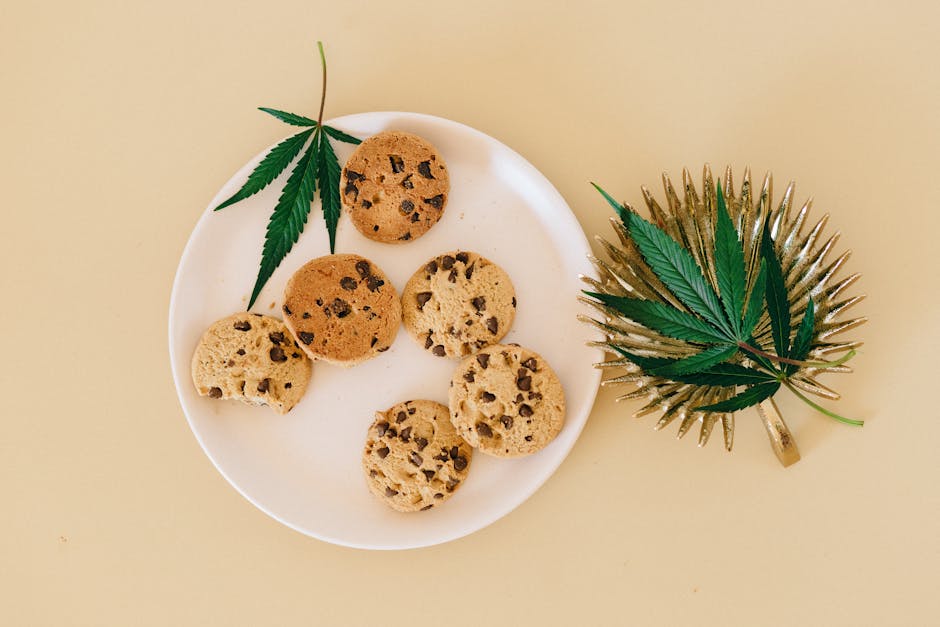
To understand the nuances, resources like Healthline are excellent for demystifying the distinction between CBD (cannabidiol, which is non-intoxicating) and THC (tetrahydrocannabinol, which has psychoactive properties). In a clinical setting, these are often combined or dosed separately based on a patient’s specific pathology—the pattern of symptoms and the nature of the condition.
Here is how the landscape of regulated treatment differs from the wellness counter:
Feature High-Street Wellness Regulated Medical Clinic Regulatory Body Trading Standards/Food Safety CQC (Care Quality Commission) Prescriber None (Self-Selection) Specialist Doctor Monitoring None Monthly/Quarterly Review Goal General Wellbeing Targeted Symptom ManagementThe CQC, or Care Quality Commission, is the independent regulator of health and adult social care in England. They ensure that clinics like Releaf meet high standards of safety and care.
Conditions Commonly Explored for Treatment
The overlap between coffee-driven energy management and cannabis-driven stress management is most visible in how patients address chronic health challenges. Patients rarely come to a clinic because they want to ‘try’ cannabis; they come because they have run out of options within the standard NHS pathway. The most common conditions explored for treatment include:
- Chronic Pain: Persistent pain that has not responded to first-line treatments like ibuprofen or paracetamol. Treatment-Resistant Anxiety: A state of excessive worry that persists despite previous therapeutic interventions. Insomnia: A chronic difficulty with sleep that impacts daily function—often the flip side of the excessive caffeine intake mentioned earlier. Neurological Conditions: Such as MS-related muscle spasticity or chemotherapy-induced nausea.
The goal of these clinics is titration—a clinical process where a doctor starts a patient on a very low dose of medication and gradually increases it until the optimal therapeutic effect is reached with minimal side effects.
Why the Stigma is Finally Eroding
The stigma surrounding medical cannabis has persisted for decades, largely due to the conflation of medicinal use with recreational abuse. However, as the 2026 wellness culture shifts toward biological pragmatism, that stigma is being replaced by curiosity about efficacy. When a professional colleague mentions they use a prescription medication for stress management, it is increasingly viewed with the same neutrality as someone taking a blood pressure tablet or, indeed, having a double espresso to survive a 9 AM meeting.
The Importance of Follow-Ups
If there is one thing I find annoying as a journalist, it is the ‘one-and-done’ mentality in wellness. People want a pill, a powder, or a brew that solves everything instantly. But effective medical cannabis treatment, much like long-term caffeine management, requires an iterative process.
You cannot just start a prescription and expect your life to be ‘fixed.’ You need regular check-ins with your clinical team to report on your:
Symptom relief: Are the target symptoms actually improving? Side effect profile: Are you experiencing any unwanted outcomes like fatigue or nausea? Daily lifestyle habits: Are you adjusting your diet, sleep, and exercise to support the medication?Final Thoughts: The Pragmatic Future
The convergence of coffee and cannabis culture in 2026 is not about a decline in health standards; it is about an increase in self-awareness. We are becoming more articulate about our needs. Whether we are using an app to find the right caffeine-to-theanine ratio for our mid-morning focus, or working with a specialist at a clinic to manage a chronic pain condition, the trend is the same.
We are taking control of our internal states with precision, transparency, and medical guidance. The wellness first time cannabis consultation tips culture of the future is quiet, systematic, and, most importantly, evidence-based. It’s time to move past the myths and look at the actual data—because when it comes to your health, ‘feeling better’ is just the start of the conversation.
Disclaimer: This article is for informational purposes only and does not constitute medical advice. If you are experiencing symptoms, please consult your GP or a qualified medical specialist. For more information on navigating medical cannabis in the UK, consult the official guidelines provided by the Care Quality Commission.