If you have spent any time navigating the world of chronic illness, you have likely heard the phrase "just push through." As someone who spent years working in NHS administration, I can tell you: that is the fastest way to hit a wall. When you are living with long-term pain or chronic fatigue, your energy isn't a bottomless well; it is a limited bank account.
The "weekend crash" is a common phenomenon. You spend the week managing work or household tasks, only to spend Saturday and Sunday in bed, physically paying the debt for the energy you "borrowed" during the week. This is called the "Boom and Bust" cycle. It is miserable, it is unsustainable, and it is entirely avoidable with a proper weekend pacing strategy.
Why Pacing is a Clinical Tool, Not a Luxury
Let’s talk about the clinical side of things. If you look at guidance from the National Institute for Health and Care Excellence (NICE), you will find that pacing is often cited as a cornerstone of managing conditions involving persistent pain or energy impairment. Pacing isn't about being lazy; it is about energy budgeting.
When you have a limited amount of physical and mental capacity, you need to budget it the same way you budget your finances. If you spend your entire balance on Friday night, you are overdrawn by Saturday morning. A good pacing plan treats your weekend as a protected space for recovery rather than a catch-up period for unfinished chores.
The "Too Tired to Think" Weekend Protocol
When you are in a flare-up or a state of high fatigue, executive function is the first thing to go. You cannot "plan" when you are struggling to process a sentence. That is why I rely on my "Too Tired to Think" list. This is a pre-written menu of activities that require zero cognitive load.
The 2-Minute Rule for Low-Energy Days
If you are feeling completely depleted, do not aim for an hour of "restorative" activity. Aim for two minutes. This lowers the barrier to entry. If you manage two minutes of gentle stretching and then need to lie back down? That is a success. You haven't failed; you have paced.
- 2-minute stretch: Gentle neck rotations or ankle circles while lying in bed. 2-minute hydration: Drink a glass of water slowly. 2-minute sensory reset: Close your eyes and focus on your breath—no meditation apps, just breathing.
Integrating Technology: Search Engines and Telehealth
Managing a health condition shouldn't feel like a full-time job. I advocate for using your digital tools to save energy. Search engines are your best friend for finding resources, but be careful with the source material. Stick to reputable sites—NHS pages, peer-reviewed patient advocacy groups, and established clinics.
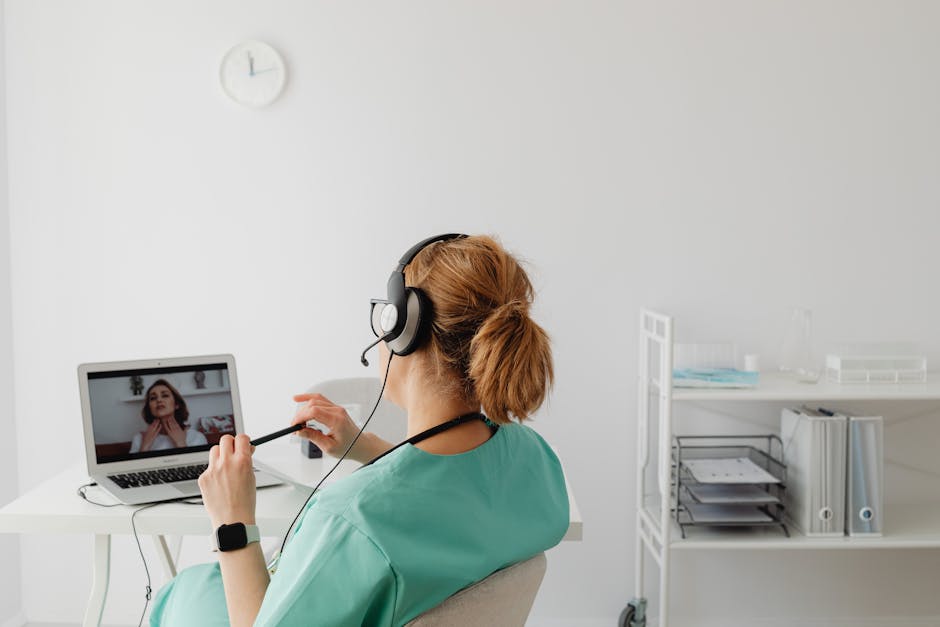
Telehealth systems have been a game-changer for people with limited mobility or energy. Instead of spending three hours preparing for, traveling to, and waiting in a clinic, you can manage your consultations from home. For example, if you are exploring options for symptom management, companies like Releaf offer structured telehealth systems that allow you to consult with clinicians without the "spoon-drain" of a physical trip to a hospital.
Sample Weekend Pacing Schedule
Use this table as a starting point. It isn't a rigid rulebook; it’s a template designed to prevent the "boom and bust" cycle by prioritizing recovery time.
Time Segment Activity Type Energy Cost Saturday Morning Gentle movement/stretching Low Saturday Mid-day Social interaction (Digital/Brief) Medium Saturday Evening Nervous system regulation Low/Passive Sunday Morning Planning/Admin (max 30 mins) Medium Sunday Afternoon Restorative rest (no screens) Very Low Sunday Evening Wind-down routine LowNervous System Regulation
Pacing is just as much about your nervous system as it is about your muscles. When we are in pain, our bodies remain in a state of "fight or flight." This consumes massive amounts of energy. To regulate your nervous system, you need to trigger the "rest and digest" (parasympathetic) state.
How do we do this on a weekend? By controlling our environment:
- Visual noise: Clutter increases cognitive load. Spend 5 minutes on Friday clearing one small area of your living space. Auditory regulation: Use noise-canceling headphones or white noise if your environment is loud. Thermal comfort: Keep a weighted blanket or a heat pad handy. The body consumes less energy regulating its temperature when you are externally supported.
Sleep Consistency and Evening Wind-Down
One of the biggest mistakes I see people make is "catching up on sleep" by sleeping in until noon on Saturdays. While it feels nice, it wrecks your circadian rhythm, making Monday morning ten times harder.
Try to keep your wake-up time within a 60-minute window of your weekday routine. click here If you are exhausted, take a nap in the afternoon—but keep it to 20–30 minutes. The goal is to avoid the "sleep hangover" that makes your Saturday evening feel like a foggy haze.

Your Evening Wind-Down Checklist
Screen sunset: Dim your phone or laptop two hours before bed. Temperature control: Ensure the room is cool. Brain dump: Write down your to-do list for Monday so it isn't swirling in your head while you try to sleep. Hydration check: Sip water, don't gulp.Activity Planning: The Art of Negotiating with Yourself
When you are planning your weekend, ask yourself the "Is it necessary?" question. We often feel guilty for saying "no" to social events or chores. But remember: every activity has a cost. Activity planning is the art of deciding which costs are worth the return.
If you have an event on Saturday, you must https://highstylife.com/how-to-build-a-recovery-focused-bedroom-when-youre-running-on-empty/ "pay" for it with rest on Friday. If you have a busy Sunday, you must "pay" with a lighter load on Saturday. This is not about restriction; it is about strategic allocation of your precious energy.
Final Thoughts: Avoiding the "Push Through" Trap
If you take one thing away from this, let it be this: Your value is not tied to your productivity.
The "push through" culture is a systemic issue, but your health is a personal responsibility. Use your telehealth systems to avoid unnecessary travel, use your search engines to find reputable local support groups, and above all, treat your recovery time with the same respect you would give a high-priority meeting at work.
If you have a weekend where you did nothing but lie in bed? That is not a failure. That is a recovery session. Sometimes, the most productive thing you can do for your body is to simply let it be still. If you are struggling to build these habits, start small. Try the 2-minute version of a routine this Saturday. See how it feels. You might be surprised at how much energy you save when you stop fighting your own body and start working with it.
Disclaimer: I am a patient advocate, not a doctor. Always consult with your primary healthcare provider or specialists before making significant changes to your health management routine.