If you’re a footballer—or just a keen weekend warrior—you’re probably familiar with that sharp twinge after a tackle or a heavy session on the pitch. For many, joint pain starts off as an occasional nuisance, something you tuck away behind a grin and a shrug. But what happens when that niggling discomfort no longer just hits during training or matches, but creeps into your daily life? Why does it affect walking to the shop, climbing stairs, or even just sitting down?
It’s a question I get asked all the time from lads I’ve worked with over the years. Especially those who’ve spent their youth and early adulthood battling it out in muddy lower leagues and gritty training grounds. The honest answer is: chronic musculoskeletal pain and osteoarthritis symptoms often don’t stick to the pitch.
In this post, I’ll cut https://highstylife.com/what-is-the-difference-between-pain-management-and-chasing-zero-pain/ through the jargon and the vague advice. I’ll break down what’s really going on in your joints and nervous system after years of loading and injuries, explain why this affects your daily function now, and outline practical, active ways to fight back. Plus, I’ll touch on some newer options you might not have considered—like the role of medical cannabis and how to navigate the UK’s anti-doping framework if you’re aiming to return to competitive sport.
Football Culture and the Stigma Around Reporting Pain
Anyone involved in football knows this culture well. “Play through the pain.” “Push on.” “It’s just a bit of soreness.” It’s ingrained from youth team level right through to semi-pro senior ranks. Unfortunately, it creates a dangerous stigma around pain reporting.
- Players often hide injuries: Admitting pain risks being left out of the squad or labelled as weak. Coaches sometimes punish honesty: There’s pressure to be ‘tough’ rather than talk about pain. Early warning signs get ignored: So what starts as a minor ache can develop into a long-term problem.
This culture has a real impact on long-term health. Instead of managing or even preventing joint damage early on, many players keep loading damaged tissues. Over time, this imperfect healing process lays the foundation for persistent pain and osteoarthritis.
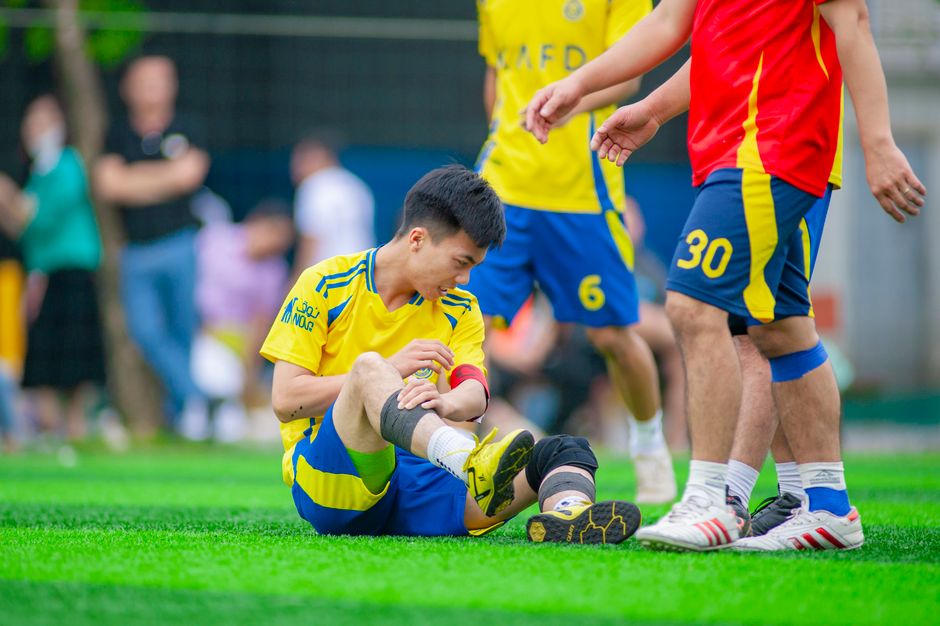
What Happens to Joints After Years of Playing Football?
Joints—especially knees, ankles, and hips—take a pounding in football. You have to understand that they’re living tissues, constantly adapting to stresses. But repeated injuries or heavy workloads without adequate recovery lead to problems down the line. Here’s what’s at play:
Imperfect Healing and Wear
- Micro-injuries accumulate: Tiny tears in cartilage or ligaments often go unchecked. Scar tissue forms: Unlike original tissue, scar tissue isn’t as strong or flexible. Cartilage breakdown starts: When cartilage thins out, bones rub more, leading to inflammation.
These processes contribute to the classic signs of osteoarthritis symptoms: joint stiffness, swelling, and aching—not just when you’re kicking a ball, but walking around town or just getting out of bed.
Cumulative Loading
Every sprint, every jump, every twist adds up. That’s your cumulative load—the total strain on a joint over time. What makes this tricky is that it’s not just big injuries; it’s also the small daily knocks and stretches that build up.
- Think of your joint like a car tyre. Driving rough roads slightly damages it each trip. Eventually, the tread wears thin. If your rehab and training don’t account for this load, you risk overuse injuries and chronic pain.
Central Sensitisation – Why Your Brain May Be Turning Up the Volume on Pain
Pain is not just about damaged tissues. Sometimes, after an injury, your nervous system becomes more sensitive—like a fire alarm stuck in the ‘on’ position. This is called central sensitisation.
- The brain and spinal cord amplify pain signals coming from your joints. You may feel pain even when there’s little or no ongoing damage. This can explain why some days your knee feels terrible, while on others it behaves itself with no obvious reason.
This phenomenon is common in people who have lived with musculoskeletal pain for a long time. It helps explain why persistent pain affects your daily function beyond the moments of physical stress.
The Impact on Daily Life — It’s More than Just Sport
Football injuries don’t magically disappear when you swap your boots for trainers. The same joint that once ached only after a match might now cause:
- Difficulty climbing stairs or getting up from a chair Morning stiffness lasting 20–30 minutes or more Swelling and tenderness that come and go unpredictably A general slowing down of movements and reduced confidence
These symptoms affect your independence and quality of life. Anyone who’s had persistent joint pain knows how things that used to be simple—walking the dog, gardening, carrying shopping bags—turn into daily challenges.
Active Rehab: The Best Path Forward
Here’s where I part ways with the “just rest it” brigade. Rest alone doesn’t solve chronic musculoskeletal pain and can actually make things worse by encouraging stiffness, weakness, and fear of movement. Instead, the evidence supports graded exercise and strengthening.
Graded Exercise
This means starting with manageable activity levels and slowly increasing intensity based on how your joint and body respond. The goal is to retrain your nervous system and improve joint function without flaring pain.

Strengthening
Muscle strength acts as a natural shock absorber for joints. Over time, targeted strengthening reduces mechanical stress, improves joint stability, and lessens pain:
- Focus on consistent, manageable exercises that you can perform at home or with a physio. Use bodyweight, resistance bands, or light weights based on your capacity. Avoid pushing through sharp pain; soreness and fatigue are expected but should settle between sessions.
Active rehab doesn’t promise overnight magic, but it’s the most effective way to reclaim function and enjoy everyday life again.
Medical Cannabis and Managing Chronic Pain — What You Need to Know
There’s growing interest in medical cannabis as part of pain management for chronic musculoskeletal conditions. Some players ask if it’s a viable option, especially when conventional treatments fall short.
Important considerations:
- UK Anti-Doping (UKAD) rules: The UKAD Medicine Guidance is your go-to resource. It outlines what substances are prohibited and how therapeutic use exemptions (TUEs) work. If you’re competing, you must comply strictly. Private clinic pathways: Many private clinics now offer assessments and prescriptions for medical cannabis for qualifying chronic pain cases. This may complement rehab but should never replace foundational exercise and movement strategies. Evidence and safety: While some patients report symptom relief, cannabis is not a cure; responses vary and side effects exist. Always seek advice from healthcare professionals who understand musculoskeletal pain and sport considerations.
If you’re considering this route, start by consulting both your physio and a knowledgeable pain specialist or clinic. They’ll help weigh risks, benefits, and legal compliance for athletes.
Summary: Real Talk for Real People
Joint pain that starts on the pitch can—and often does—spill over into everyday life. This isn’t about weakness or malingering; it’s about biology:
Mechanism How It Affects Daily Life Imperfect Healing Cartilage wear leads to pain and stiffness, not just in play but waking hours Cumulative Loading Long-term repetitive strain causing gradual function loss Central Sensitisation Brain amplifies pain signals, causing discomfort even without new injury
Active rehabilitation with graded exercise and strengthening offers the best chance to manage persistent pain and regain daily function. Ignore the “just rest it” advice—it’s unhelpful and outdated.
And if you’re thinking about medical cannabis, make sure you understand your legal situation in sport and take a well-informed, medically supported approach.
What Changed in the Last 6 Weeks?
One last point to reflect on: if your pain and function have worsened recently, ask yourself— what changed in the medical cannabis rescheduled 2018 last 6 weeks? This might be a training increase, a new injury, lifestyle changes, or even increased stress levels. Figuring this out is key to getting treatment right and making a sustainable plan.
If you’re struggling with pain daily—whether on the pitch, at work, or at home—don’t suffer in silence. Reach out to a trusted physio or musculoskeletal professional who won’t just tell you to rest.
Keep moving, stay strong, and respect your body’s signals. You’re not alone in this.
```